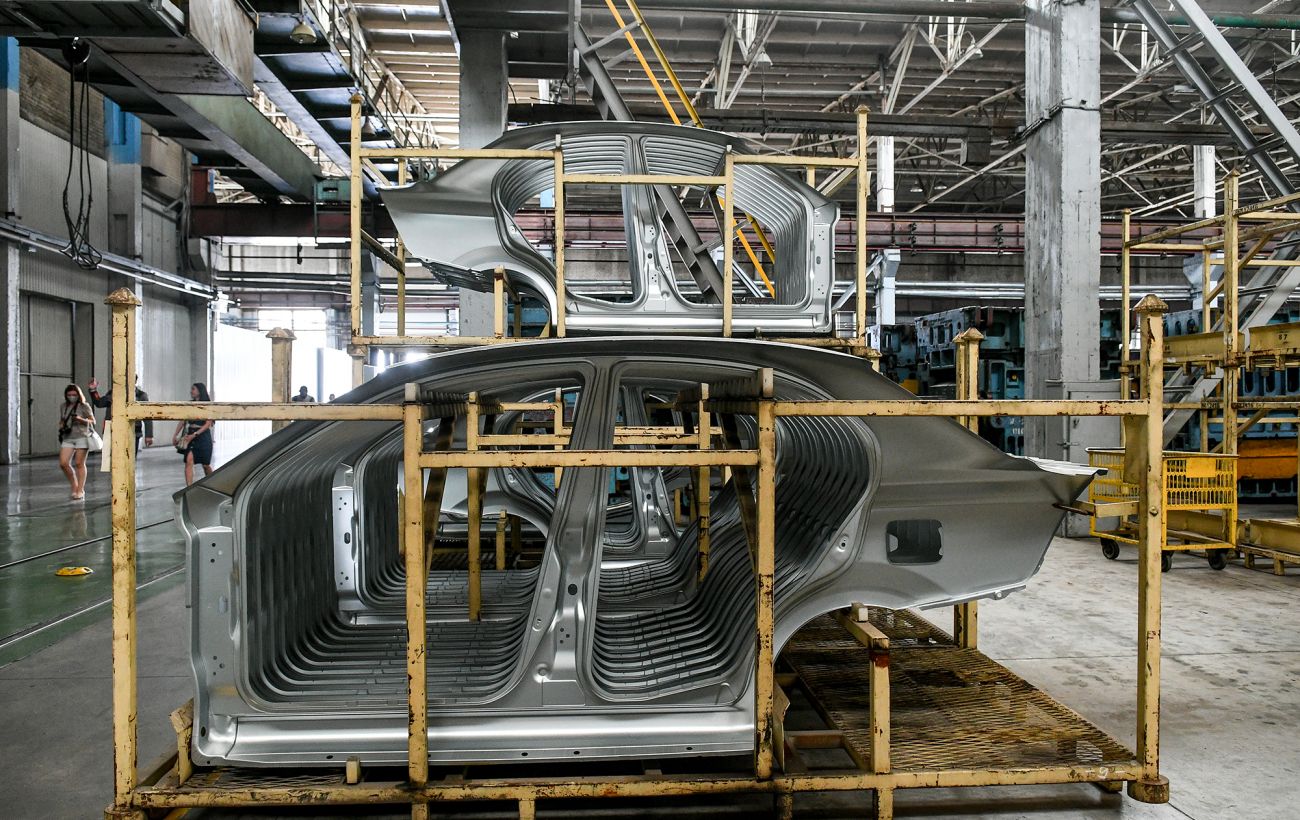
The Ukrainian government has approved a new technical regulation governing the production of wheeled vehicles, including cars, buses, motorcycles, trailers, and semi-trailers. This regulation focuses specifically on the manufacturing process rather than the operation of existing vehicles.
This updated framework establishes standards for vehicle production and their components, aligning them with European Union requirements. Currently, Ukraine adheres to safety and construction standards for only 30 vehicle systems, while the EU has regulations for 75 systems, indicating that Ukraine has implemented less than 40% of the necessary norms.
Key changes in the regulation introduce modern requirements already in place in the EU. These include:
- Automatic emergency braking systems (ABS);
- Emergency call systems (eCall);
- New standards for lighting, signaling, and braking systems;
- Updated passenger protection standards, particularly in the event of accidents.
The new rules also mandate security measures to protect vehicles from unauthorized access, including cybersecurity protocols. Furthermore, they establish contemporary requirements for CO₂ emissions, fuel consumption, and energy efficiency, with stricter technical standards for various systems such as brakes, seat belts, lighting, and child seats.
Another significant aspect of the updated regulation is the modification of certification processes for vehicle parts. This includes the digitalization of procedures to prevent abuse and enhance transparency. Additionally, mandatory photographic documentation of vehicle testing will be required, with all compliance certificates and test protocols recorded in a specialized registry.
The new technical regulation is set to take effect six months after its publication, which means it will be implemented in September 2026.
Ukraine has approved a new technical regulation for vehicle production, aligning its standards with EU requirements. The changes aim to enhance safety, emissions control, and certification processes, set to be effective by September 2026.