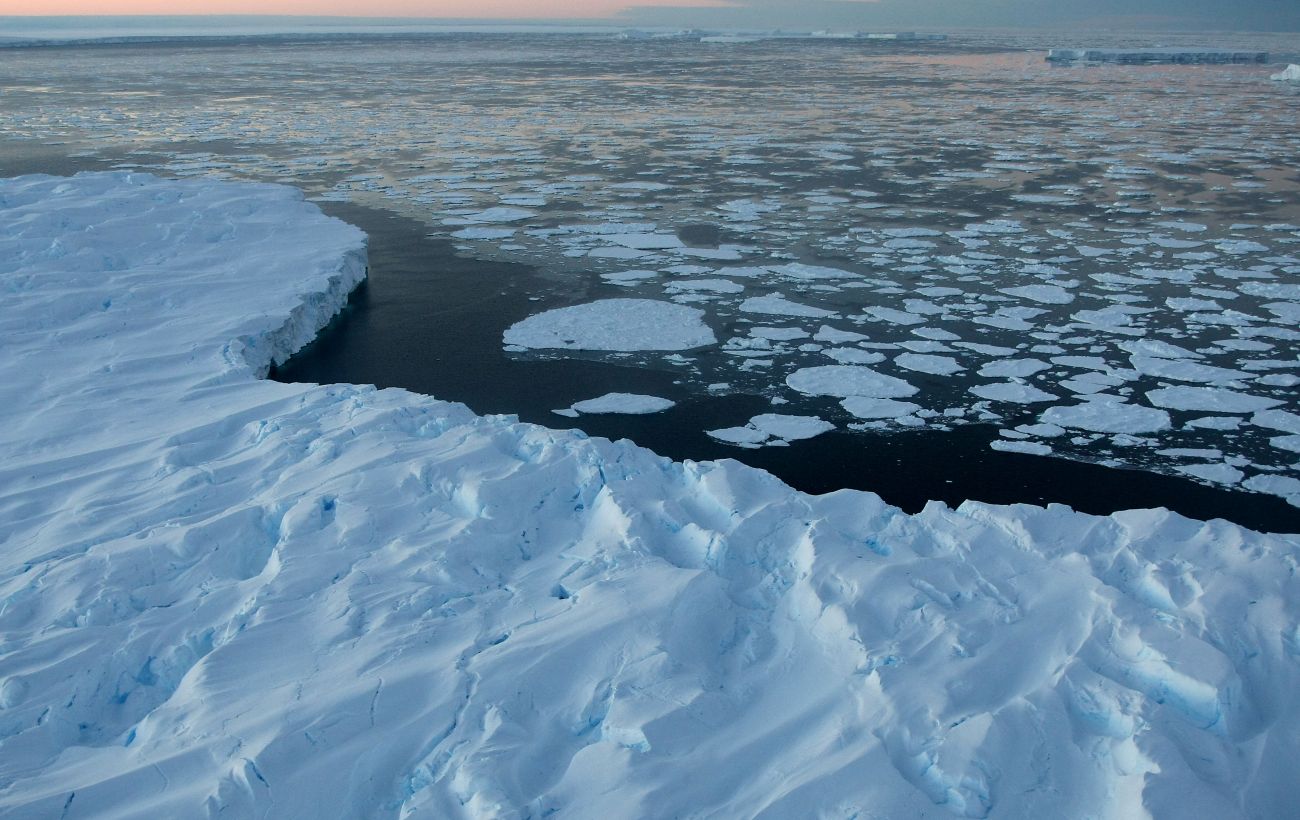
Russian oil exports via key Baltic Sea ports are facing significant disruptions due to the worst ice conditions in 15 years in the Gulf of Finland. This unprecedented freezing has led to a sharp decline in oil shipment volumes, exacerbated by a critical shortage of ice-class tankers.
In early February, oil exports from the Primorsk port dropped by one-third compared to the same period last year, with a staggering 50% decrease anticipated when compared to early 2024 figures. The situation is further complicated by a lack of icebreaker vessels in the region, prompting Russian authorities to urgently redeploy ships “Sibir” and “Murmansk” from the Arctic, with their arrival not expected until the end of the month.
As a result, significant bottlenecks have formed at icebreaker convoy assembly points, forcing vessels to wait for escort for up to seven days. Meanwhile, a record 140 million barrels of crude oil are currently stranded at sea, unable to reach buyers on time, which has led exporters to increase discounts on their oil.
Starting March 1, ports including Primorsk, Vysotsk, and Ust-Luga plan to implement a complete ban on the entry of vessels without reinforced ice hulls, regardless of icebreaker support, should ice thickness reach 30-50 centimeters. This new regulation aims to enhance safety amid the challenging conditions.
The Baltic Sea route accounts for approximately 40% of all maritime oil exports from Russia. The current extreme winter weather has resulted in ice formation not seen since the 2010-2011 season, adding further strain to an already pressured Russian economy, which is grappling with Western sanctions and energy price caps.
Russian oil exports are severely impacted by extreme ice conditions in the Gulf of Finland, leading to significant shipment delays and economic strain. With a critical shortage of icebreakers, authorities are facing challenges in managing the flow of oil, which has resulted in increased discounts for exporters.