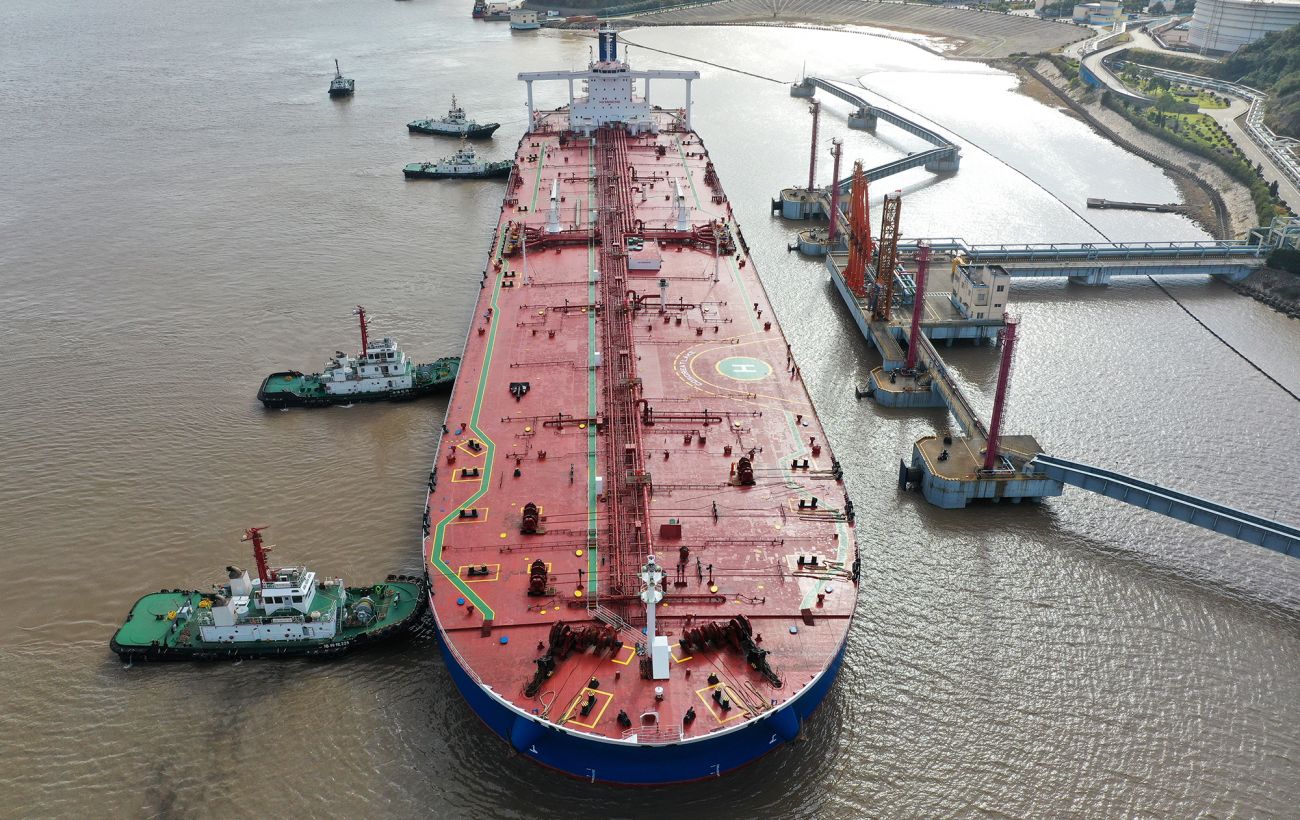
Saudi Arabia has introduced a new route for oil shipments through the port of Yanbu on the Red Sea, as the Strait of Hormuz remains blocked. This alternative, however, presents several logistical challenges.
The Yanbu route, which relies on a 1,200-kilometer pipeline, has a significantly lower capacity compared to the traditional shipping lanes through the Strait of Hormuz. The pipeline’s limitations restrict the volume of oil that can be transported, making it impossible to match the quantities typically shipped via the strait.
Additionally, the maritime journey from the Red Sea to Asia is considerably longer, as it requires navigating around the Arabian Peninsula. This extended route not only increases transportation time but also raises shipping costs.
As a result, buyers utilizing the Yanbu port are receiving smaller quantities of oil than stipulated in their contracts. Some European refineries have already expressed concerns regarding these supply shortfalls. Meanwhile, a significant portion of Saudi oil is earmarked for Asian markets, where it is delivered under long-term agreements.
Saudi Arabia's new oil supply route via Yanbu offers an alternative to the blocked Strait of Hormuz, but faces capacity and logistical challenges. Buyers are receiving reduced volumes, leading to complaints from some European refineries.