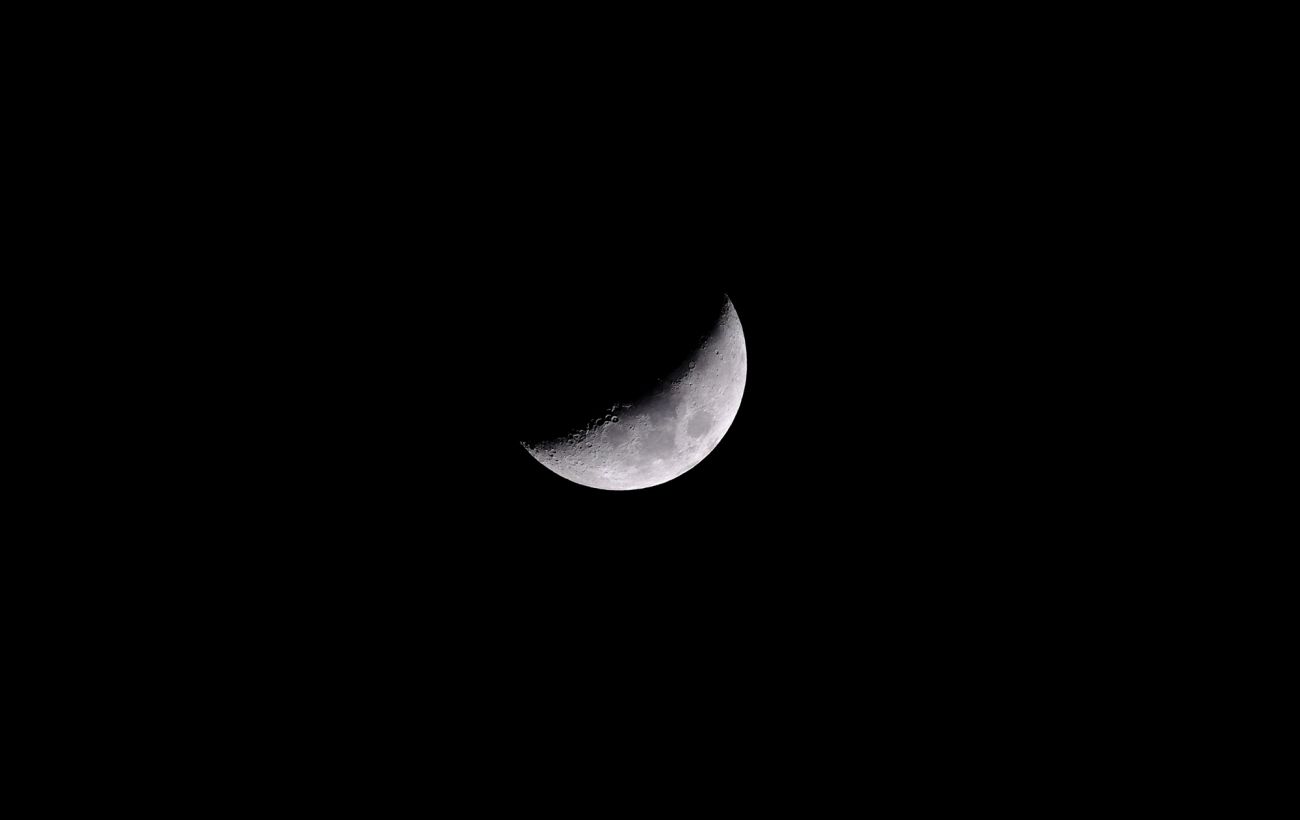
The Artemis II mission, launched by NASA, has achieved a significant milestone by setting a record for the greatest distance from Earth during its lunar flyby. This mission marks humanity’s first crewed flight to the Moon in over five decades, showcasing a pivotal step towards future lunar exploration.
As part of its journey, the spacecraft Orion is expected to pass behind the Moon around 02:00 Kyiv time, resulting in a temporary loss of communication with Earth for approximately 40 minutes due to the Moon obstructing radio signals.
Following this, at around 03:35, the crew will witness a solar eclipse lasting 53 minutes, adding a spectacular visual element to the mission. This lunar flyby is not only a technical achievement but also a remarkable moment for the astronauts involved.
The Artemis II mission commenced successfully on April 2, with Orion launching from Florida for an eight-day journey that includes orbiting the Moon and returning to Earth. This mission is part of NASA’s broader Artemis program, aimed at returning humans to the lunar surface and eventually preparing for future missions to Mars.
However, the mission has encountered initial technical challenges. The crew reported a malfunction in the spacecraft’s toilet system shortly after launch, prompting them to consult with ground specialists to address the issue.
Midway through its journey, NASA released the first images of Earth taken by mission commander Reid Wiseman after a maneuver that positioned Orion on its lunar trajectory. These images serve as a reminder of the connection between the astronauts and their home planet during this historic mission.
NASA's Artemis II mission has successfully set a distance record from Earth during its lunar flyby, marking a significant step in human space exploration. Despite facing initial technical challenges, the mission continues to showcase both technical achievements and stunning visuals from space.