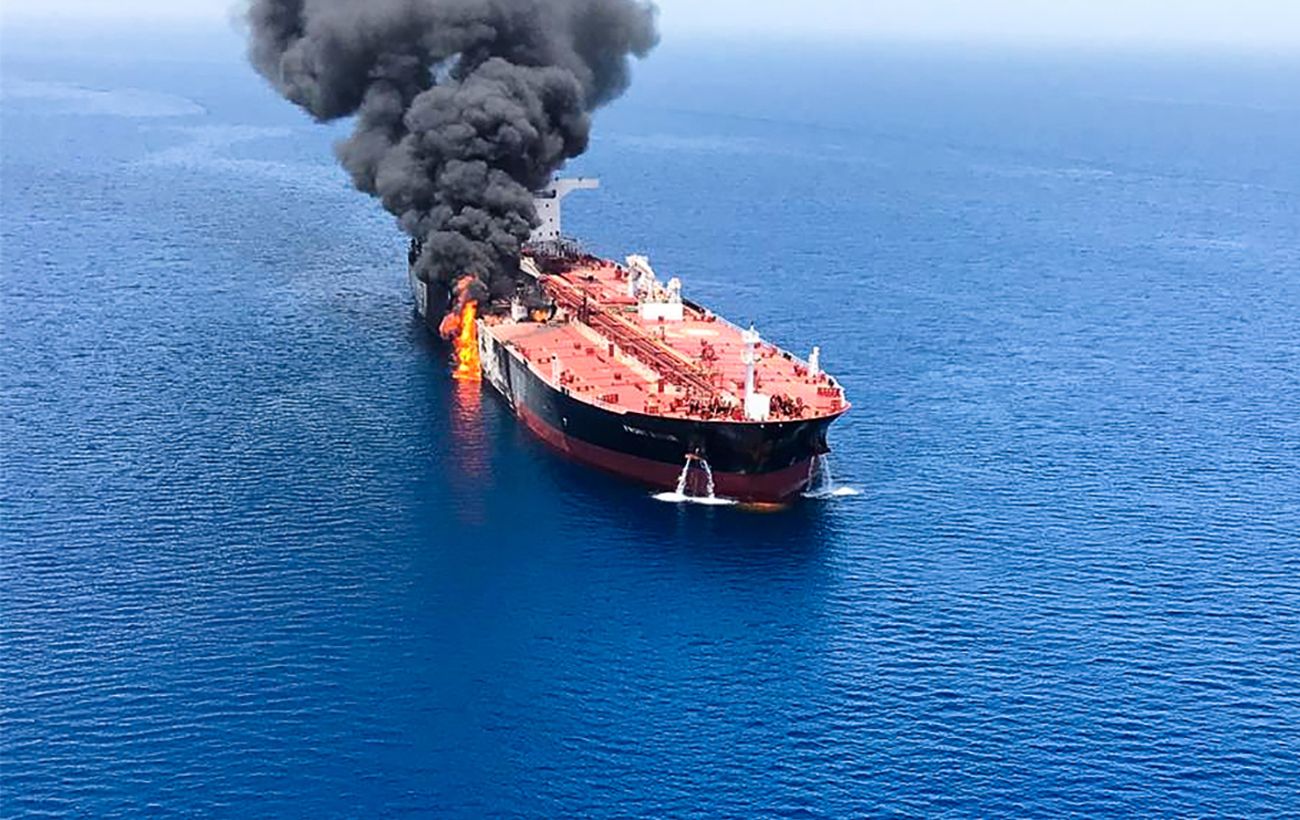
The global oil market is undergoing significant turmoil due to the ongoing conflict in the Middle East. Disruptions in tanker movements and attacks on infrastructure have led to a dramatic decline in oil production in the region, resulting in a surge in prices.
A recent report highlights that the war has nearly halted shipping through the Strait of Hormuz, a crucial route for global fuel exports. Daily oil flow has plummeted from 20 million barrels to an all-time low.
As a consequence of the inability to export crude oil and the saturation of storage facilities, Gulf countries have been compelled to reduce production by at least 10 million barrels per day.
The most severe impacts are being felt in Saudi Arabia, the UAE, Kuwait, Iraq, and Qatar.
Additionally, ongoing attacks and a lack of markets have led to a shutdown of refining capacities in the region, totaling over 3 million barrels per day.
Market reactions have been swift, with Brent crude prices spiking following U.S. and Israeli airstrikes on Iran on February 28, exceeding $120 per barrel. By mid-March, prices stabilized somewhat, hovering around $92.
The International Energy Agency (IEA) has revised its forecast for global oil demand growth in 2026 downward by 210 million barrels per day. Key factors contributing to this adjustment include:
- Mass cancellations of flights in the Middle East;
- Disruptions in liquefied natural gas (LNG) supplies;
- Economic instability driven by high energy prices.
In response to the crisis, IEA member countries made an unprecedented decision on March 11 to release 400 million barrels of oil from their emergency reserves. Current global fuel stocks are at their highest level since 2021, exceeding 8.2 billion barrels, providing a buffer to mitigate the conflict’s impact.
The ongoing conflict in the Middle East has led to significant disruptions in oil production and shipping, causing prices to spike. In response, the International Energy Agency has released emergency reserves to stabilize the market amid declining demand forecasts.