The Board of Directors of the International Monetary Fund (IMF) has approved a new four-year Extended Fund Facility (EFF) for Ukraine, amounting to $8.1 billion. The first tranche of approximately $1.5 billion is expected to be disbursed shortly.
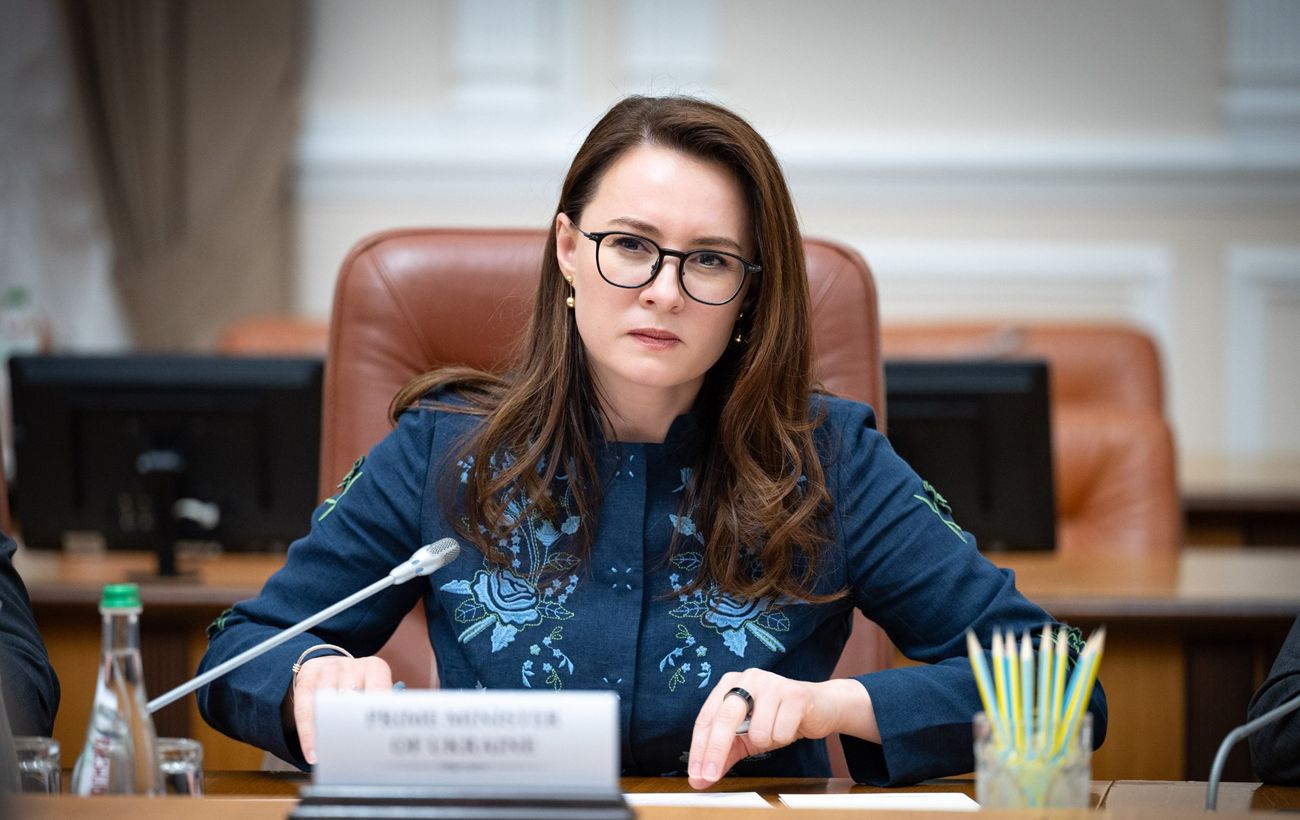
According to Deputy Prime Minister Yulia Svyrydenko, these funds will be allocated to cover budget deficits and support macro-financial stability in the country. This financial backing is deemed crucial as Ukraine enters the fifth year of a full-scale war, particularly in light of ongoing systematic attacks on its energy infrastructure.
Svyrydenko emphasized that the IMF program is part of a broader financial framework designed to address a projected budget deficit of $136.5 billion over the next four years. The initiative is expected to facilitate continued reforms that have previously ensured macroeconomic and financial stability.
The new cooperation program with the IMF is positioned as a cornerstone for international financial support, which includes a €90 billion loan from the European Union. In addition to EU funding, the program also encompasses support from G7 countries and international financial institutions, as well as measures to reduce debt service payments through a debt relief mechanism.
“Partners have confirmed the continuation of the existing moratorium on servicing official debt and are prepared to finalize restructuring once the situation stabilizes,” Svyrydenko noted.
Last week, Svyrydenko announced that the IMF had removed previous conditions tied to the new $8.1 billion credit program, which had included requirements related to value-added tax for individual entrepreneurs, customs duties on parcels, taxation for digital platforms, and military levies.
It was previously reported that access to loans from the IMF and the EU would provide only temporary relief. However, by the end of March, Ukraine may face challenges in fulfilling IMF program requirements, potentially necessitating negotiations for more lenient terms.
The IMF has approved an $8.1 billion funding program for Ukraine, with the first tranche expected soon. This support is critical for addressing the country's budget deficit amidst ongoing conflict.