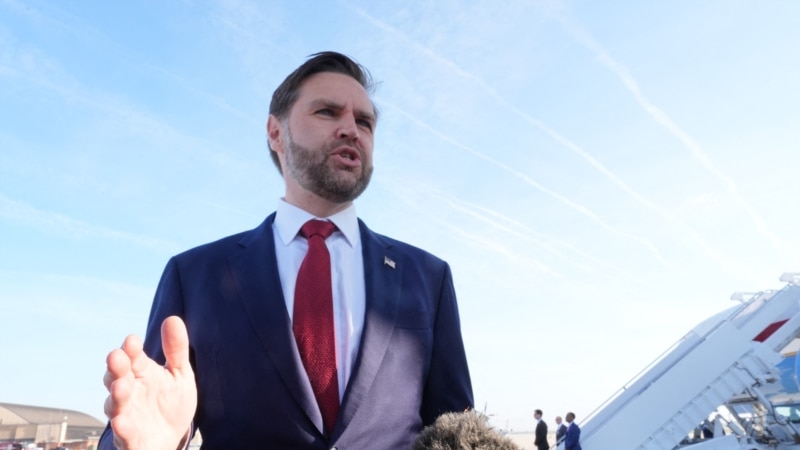
The United States has presented what it describes as its “final and best offer” to Iran regarding a potential agreement, but Iranian officials have declined to accept the terms. This statement was made by U.S. Vice President J.D. Vance, who emphasized that the U.S. approached the negotiations with flexibility and a willingness to compromise.
Vance noted, “We were quite accommodating. The President instructed us to come here with good intentions and do everything possible to reach an agreement. We did that, but unfortunately, we were unable to make any progress.” He identified Iran’s refusal to abandon its nuclear program as a significant obstacle to reaching a consensus.
He further stated, “We leave behind a very straightforward proposal—a pathway to understanding that is our final and best offer. We will see if the Iranians accept it.” Meanwhile, Iranian Foreign Ministry spokesman Esmail Bakayi indicated that disagreements over “two or three key issues” hindered the possibility of an agreement during the talks held in Islamabad.
Bakayi emphasized in a broadcast on state television on April 12 that while some areas of agreement were reached, significant differences in perspectives remain on other matters. Previous discussions aimed at resolving the situation had not yielded any breakthroughs.
On April 11, Vice President Vance arrived in Islamabad, where he was welcomed by senior Pakistani officials and U.S. representatives. According to reports, his flight landed at 10:46 AM local time. Upon disembarking, Vance greeted officials and received a bouquet of flowers from a child.
Earlier, on April 7, President Donald Trump announced a two-week ceasefire, shortly after issuing a warning that “entire civilizations could perish tonight” if Iran did not engage in substantive negotiations. Following this announcement, Trump accused Iran of violating the ceasefire by not allowing passage through the Strait of Hormuz. In contrast, Iran accused Israel of breaching the truce by continuing its attacks on the pro-Iranian group Hezbollah in Lebanon. Both the United States and Israel stated that Lebanon was not part of the ceasefire agreement.
U.S. Vice President J.D. Vance reported that Iran rejected the U.S.'s final proposal in ongoing negotiations, primarily due to disagreements over Iran's nuclear program. Iranian officials acknowledged unresolved issues, complicating the path to an agreement.