On April 7, 2026, Ukrainian forces targeted the Ust-Luga Oil terminal in the Baltic Sea, damaging three oil storage tanks and affecting at least 30% of the facility. This strategic strike was confirmed by the General Staff of the Armed Forces of Ukraine, which noted that the terminal, operated by Transneft-Baltika, had only recently resumed operations after previous disruptions.
In addition to the oil terminal, Ukrainian forces successfully hit a Russian frigate of the Buyan class, which is armed with Kalibr cruise missiles, as well as various military targets in the Zaporizhzhia and Donetsk regions. These developments come amid ongoing military operations as Ukraine continues to defend against Russian aggression.
Meanwhile, in the Middle East, U.S. President Donald Trump issued a stark warning regarding the Strait of Hormuz, stating that if Iran does not unblock the strait by midnight on April 8, it could lead to catastrophic consequences. This statement underscores the heightened tensions in the region.
On the same day, U.S. military forces conducted strikes on Iranian military sites on Kharg Island, targeting infrastructure such as bridges and railways across Iran. These actions were not aimed at oil facilities, according to reports.
The Pentagon is reportedly expanding its list of Iranian energy targets, which now includes facilities supplying fuel and electricity to both civilian and military populations. This escalation reflects the ongoing conflict between the U.S. and Iran, with both sides engaging in military actions and threats.
In a related diplomatic move, Iran submitted a ten-point proposal for ending hostilities with the United States and Israel, though it has been characterized as rejecting a ceasefire and emphasizing the need for a definitive end to the conflict from Iran’s perspective.
As the situation develops, the Iranian Deputy Minister for Youth and Sports has called for citizens to form a “human chain” around the country’s power plants in response to U.S. threats of attacks on Iranian infrastructure. Additionally, reports indicate that Iran’s new Supreme Leader, Mojtaba Khamenei, is currently hospitalized and unconscious, raising concerns about the stability of Iranian leadership.
In the UK, the government has denied U.S. forces permission to use Royal Air Force bases for strikes against Iranian infrastructure, indicating a divergence in military strategies between the allies.
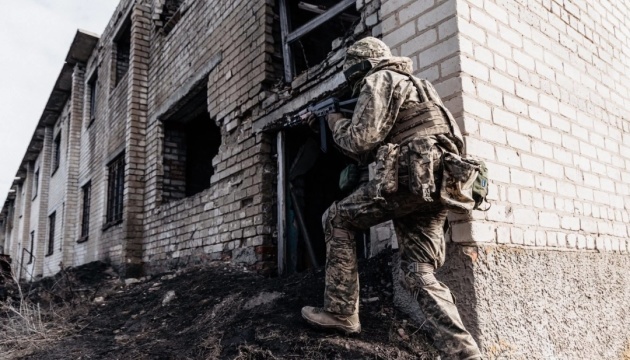
Back in Ukraine, the military reported repelling 82 attacks on April 7, with the most intense fighting occurring in the Kostiantynivka, Huliaipole, and Pokrovsk directions. Ukrainian forces have regained control over a section of territory in the Kharkiv region, while Russian troops continue to mount pressure in other areas.
As the conflict persists, the humanitarian and economic toll remains significant, with casualties reported from various attacks across Ukraine, including the recent drone strike in Nikopol that resulted in multiple injuries and fatalities.
Ukrainian forces have struck a Russian oil terminal in the Baltic, marking a significant escalation in the ongoing conflict. Concurrently, tensions rise in the Middle East as the U.S. threatens military action against Iran unless the Strait of Hormuz is unblocked.
