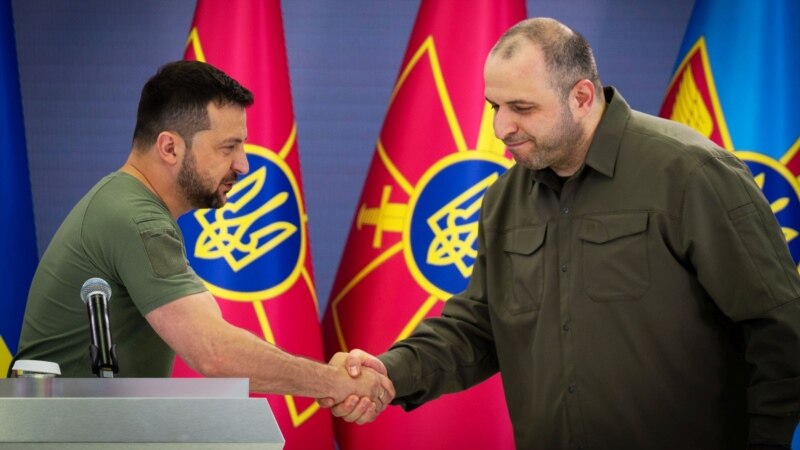
Recent diplomatic discussions in Geneva have marked another phase in the ongoing negotiations between Ukraine, the United States, and Russia, as reported by Rustem Umerov, Secretary of the National Security and Defense Council of Ukraine, on February 26. The talks were conducted in two formats: separately with American representatives and in a trilateral meeting involving the U.S. and Switzerland.
Umerov detailed that the discussions included key Ukrainian officials, such as David Arakhamia, alongside U.S. representatives Steve Witkoff and Jared Kushner. Following these meetings, a conversation took place with Ukrainian President Volodymyr Zelensky regarding the outcomes and next steps.
The Ukrainian delegation is currently working to finalize security parameters, economic agreements, and aligned positions that will serve as a foundation for future negotiations. Umerov emphasized the goal of making the next trilateral meeting with the U.S. and Russia as substantive as possible.
Additionally, discussions focused on economic support mechanisms for Ukraine. Ukrainian Economy Minister Oleksiy Sobolev and U.S. partners are collaborating on a document aimed at Ukraine’s reconstruction. Umerov noted that teams would continue refining this document, particularly concerning future rebuilding and investment plans.
President Zelensky confirmed that he had discussions with Umerov, Arakhamia, and U.S. representatives following the Geneva meetings. He expressed optimism about the next trilateral format, which is likely to take place in Abu Dhabi in early March. Zelensky stated that the aim is to finalize agreements for real security guarantees and prepare for a leaders’ meeting, emphasizing the importance of such a format in resolving key issues.
Despite the diplomatic efforts, Zelensky observed a lack of willingness from Russia to pursue peace. He indicated that President Vladimir Putin appears prepared to continue military operations, urging the international community to apply pressure on Russia to alter its course. Zelensky remarked, “Russia will halt the war only when the world decisively cuts off Russian oil, other energy resources, and banking access. This is entirely feasible, and global sanctions must work towards achieving a lasting peace.”
Throughout January and February, several rounds of trilateral meetings have taken place concerning the cessation of hostilities, although specific outcomes have not been disclosed. However, a notable agreement was reached on February 5 regarding a prisoner exchange—the first in five months.
Stephen Witkoff, U.S. Special Envoy, recently stated in an interview that he anticipates “good news” in the coming weeks and suggested the possibility of a meeting between Zelensky and Putin.
Prior to the Geneva negotiations, U.S. President Donald Trump had indicated that Ukraine should “quickly come to the negotiating table.” Trump had previously suggested that Russia might be inclined to reach an agreement amid the ongoing conflict.
Despite U.S. mediation efforts, Russia has shown no intention of softening its demands, which include Ukraine’s relinquishment of territories in the Donbas region. The Kremlin continues to dismiss Western security guarantees for Ukraine and signals adherence to its maximalist objectives in the conflict, according to analysts from the Institute for the Study of War (ISW).
Meanwhile, Ukraine remains steadfast in its demand for robust security assurances from the U.S. and European allies to protect against future Russian aggression.
Diplomatic talks in Geneva between Ukraine and the U.S. have progressed amid ongoing conflict with Russia. Key discussions focused on security guarantees and economic support, with future meetings planned to address these critical issues.