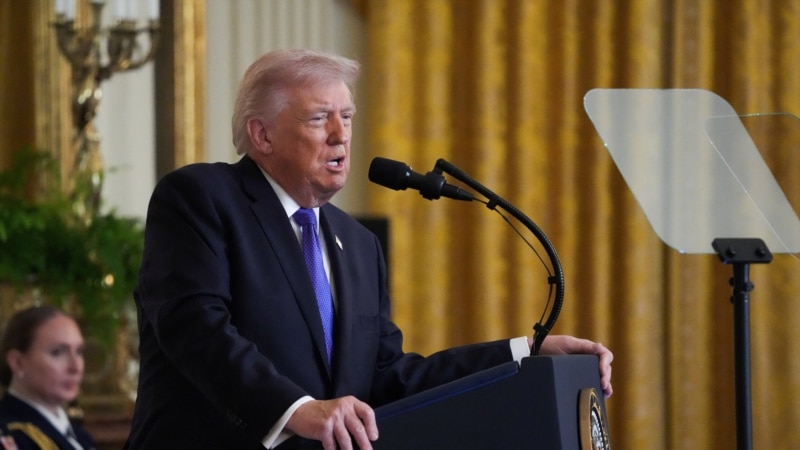
On March 2, President Donald Trump articulated the United States’ objectives in its military engagement with Iran, indicating that the conflict would persist “as long as necessary.” Initially, Trump had anticipated the military operation would last four to five weeks, though he acknowledged the possibility of an extended duration.
Trump expressed firm opposition to Iran’s pursuit of nuclear weapons, stating, “They will never have nuclear weapons.” He criticized the 2015 nuclear agreement, which involved Iran, UN Security Council members, and the European Union, suggesting that it had inadvertently facilitated Iran’s path to nuclear armament. During his first term, Trump withdrew the U.S. from this agreement, citing its failure to adequately prevent Iran from obtaining nuclear capabilities.
The president underscored the significant threat posed by Iran’s ballistic missile program to U.S. national security. He reiterated his stance that Iran must not be allowed to develop nuclear arms.
The U.S. and Israeli forces conducted a joint operation on February 28, which reportedly resulted in the death of Iran’s Supreme Leader, Ayatollah Ali Khamenei, along with numerous high-ranking officials within the Iranian regime.
In retaliation, Iranian military forces launched missile and drone strikes targeting not only Israel and U.S. military installations in the region but also several neighboring countries perceived as U.S. allies. These attacks affected both military and civilian infrastructure, including residential buildings, hotels, and airports. European military personnel stationed in the Middle East were also targeted during these assaults.
President Trump's recent statements clarify the U.S. military objectives in its conflict with Iran, emphasizing a long-term commitment to prevent Iran from acquiring nuclear weapons. The ongoing military actions have escalated tensions in the region, with significant retaliatory strikes from Iran affecting multiple nations.