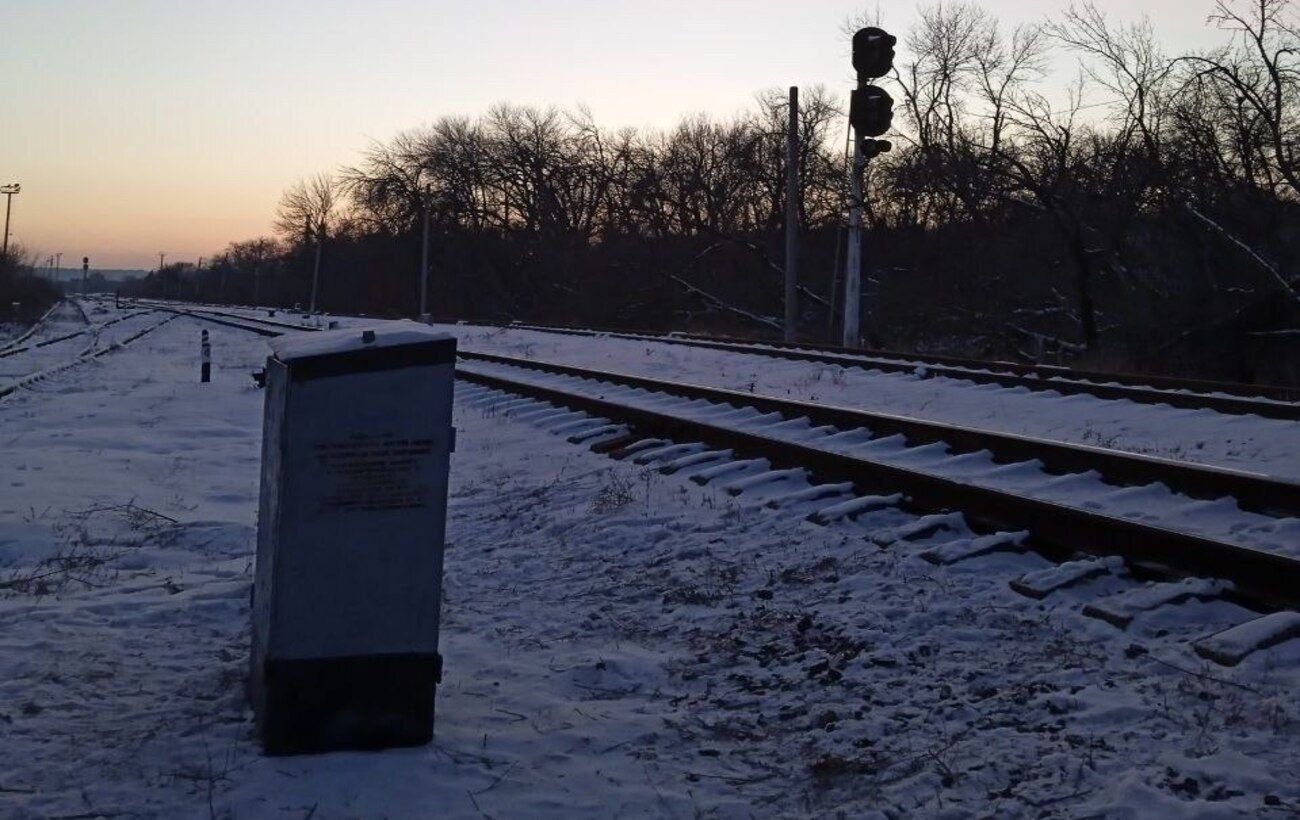
In a significant act of sabotage, agents from the group known as ‘Ateş’ targeted railway infrastructure in occupied Luhansk, disrupting a critical logistics route used by Russian forces. This railway line has been the primary channel for transporting military supplies from Russia to the front lines.
The operation involved disabling two relay cabinets located in different areas of the city, resulting in a systemic failure in train movement management. This disruption has severely impacted the flow of military resources.
“The strike was aimed at the main supply artery of the occupiers. This line connects Russia to Luhansk, passing through Debaltseve and Popasna, ultimately leading towards the Pokrovsk direction. It is essentially the only stable route for transporting troops, ammunition, fuel, and equipment from Russia to the front lines,”
the group stated in their announcement.
Following the sabotage, train operations in the affected areas came to a halt, leaving many trains stranded and causing significant delays in schedules. Russian forces are now forced to manually manage train operations, drastically reducing their capacity to transport goods. Military convoys have begun to accumulate at the approaches to the city, unable to proceed further.
This disruption has led to a critical shortage of fuel and ammunition supplies heading towards the Pokrovsk direction. Alternative routes are reportedly overwhelmed and unable to accommodate the increased demand.
The sabotage of railway infrastructure in Luhansk has critically disrupted the supply chain for Russian military forces. This incident highlights the vulnerabilities in logistics that can affect operational capabilities in conflict zones.