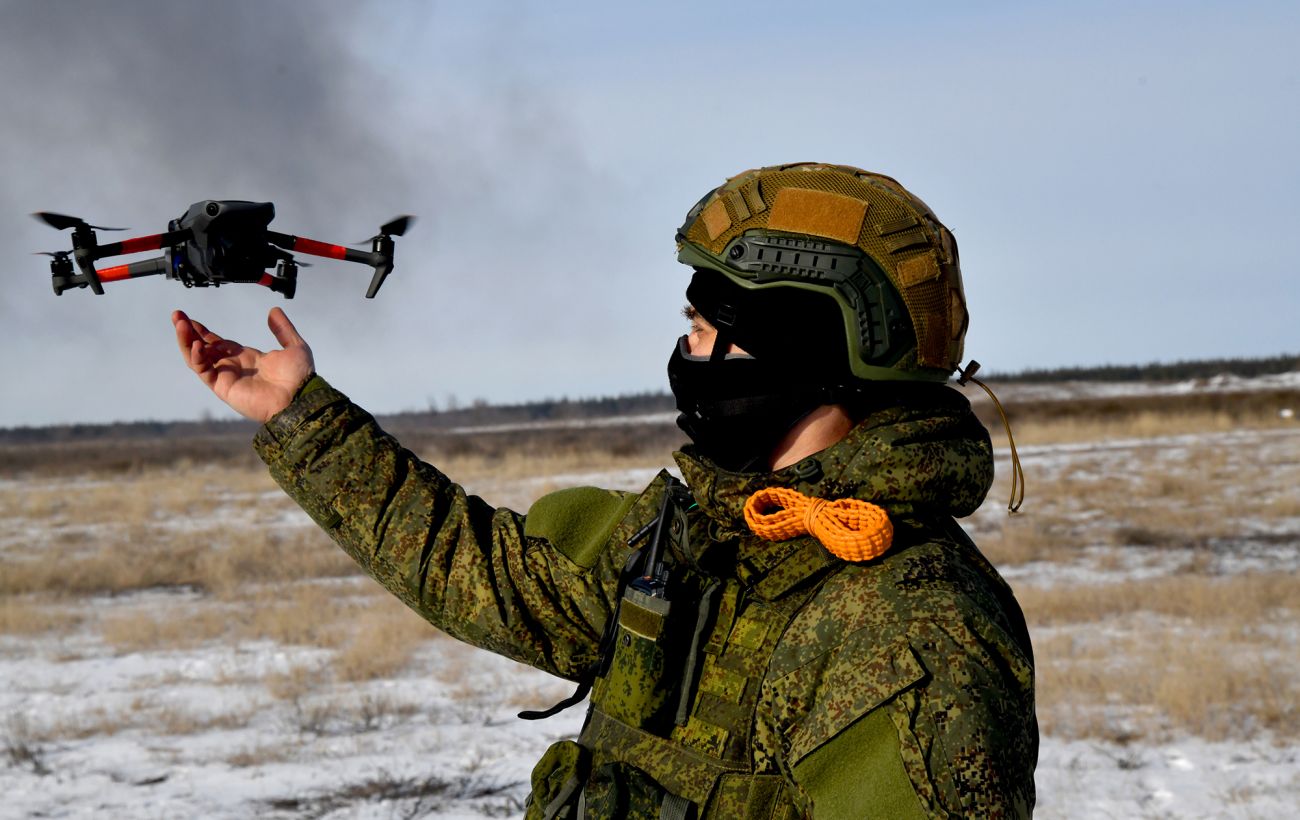
The Russian military is actively searching for substitutes to Starlink to enhance drone management on the battlefield. This shift comes as they employ low-cost drones known as “Molniya” to alter their attack strategies.
Analysts report that Russian forces are launching strikes up to 50 kilometers behind the front lines, particularly in the Kupiansk area, utilizing Molniya drones as “mother” drones.
According to Ukrainian military officials, these Molniya drones transport FPV (First-Person View) drones into the rear, where they then execute attacks on targets, including civilian vehicles and infrastructure.
The Institute for the Study of War indicates that this tactic aligns with Russia’s broader aerial interception campaign aimed at disrupting Ukraine’s logistics.
Ukrainian forces have also reported significant losses for the enemy, claiming that over 100 Molniya drones were destroyed in just three days in one operational area.
Following restrictions on Starlink access, Russian troops have encountered challenges in drone command and control systems. To address these issues, they are exploring alternative communication methods, including:
- Radio transmissions
- Fiber optic lines
- The “Kometa” satellite system
However, military sources note that these alternatives are slower and less effective compared to Starlink.
Estimates from the ISW suggest that since the Starlink restrictions began on February 1, Russian forces have faced difficulties on the front lines, impacting their strike capabilities and command systems. Nevertheless, Russia continues to adapt and seeks ways to restore the effectiveness of its drone operations behind Ukrainian lines.
The Russian military is adapting its drone tactics in response to Starlink restrictions, utilizing Molniya drones for attacks while facing operational challenges. Despite significant losses, they are exploring alternative communication methods to enhance their capabilities.