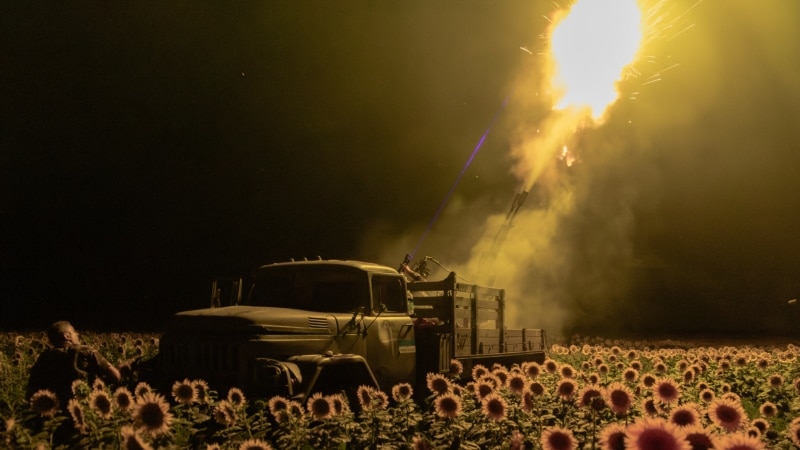
In a significant escalation of hostilities, the Russian military launched a coordinated attack on Ukraine using 273 drones overnight on March 28, according to the Ukrainian Air Force Command. The drones were reportedly deployed from various locations, including the regions of Oryol, Kursk, and the occupied Crimea, with Odesa identified as the primary target.
As of 7:30 AM, Ukrainian air defenses had successfully intercepted or neutralized 252 of the incoming drones. However, 21 strike drones managed to hit 18 sites, with debris landing in nine different locations, as detailed in the military report.
The situation remains dynamic, with reports indicating that Russian forces have continued to launch additional drone strikes across Odesa and other northern and eastern regions of Ukraine since early morning. The military is currently assessing the full impact of these ongoing attacks.
Initial reports confirm two fatalities and twelve injuries resulting from the overnight assault on Odesa. This incident is part of a broader pattern where Russian forces regularly target Ukrainian cities and critical infrastructure using various weaponry, including strike drones, missiles, and artillery.
Ukrainian authorities and international organizations have condemned these attacks, categorizing them as war crimes committed by the Russian Federation. They emphasize that these strikes are deliberate and aimed at crippling essential services.
The systematic targeting of infrastructure necessary for civilian life, including energy supply, heating, water, and medical services, has been described as indicative of genocidal actions. Legal experts and human rights advocates argue that the Russian government has engaged in numerous acts that could fall under the definition of genocide, including:
- Public declarations of intent to eliminate Ukrainians as an ethnic group.
- Encouragement of violence against Ukrainians.
- Targeting of essential services to deprive civilians of basic needs.
- Persecution of pro-Ukrainian individuals in occupied territories.
- Attacks on cultural figures and educators.
- Efforts to alter the identity of children through education in occupied areas.
- Forced deportation of children to Russia.
- Destruction of Ukrainian cultural artifacts.
The United Nations General Assembly adopted the Convention on the Prevention and Punishment of the Crime of Genocide in 1948, obligating its 149 member states to prevent and punish acts of genocide during both war and peacetime.
The Convention defines genocide as actions aimed at completely or partially destroying a national, ethnic, racial, or religious group. Key indicators of genocide include the killing of group members, causing serious bodily harm, deliberately creating conditions for the group’s destruction, and public incitement to commit such acts.
Despite the overwhelming evidence of civilian casualties and destruction of infrastructure, Russian leadership continues to deny that its military is deliberately targeting civilian areas, claiming that its operations are focused solely on military objectives.
The Russian military's recent drone strikes on Ukraine have resulted in casualties and widespread condemnation. Ukrainian officials categorize these attacks as war crimes, highlighting a pattern of targeting civilian infrastructure and raising concerns about potential genocidal actions.