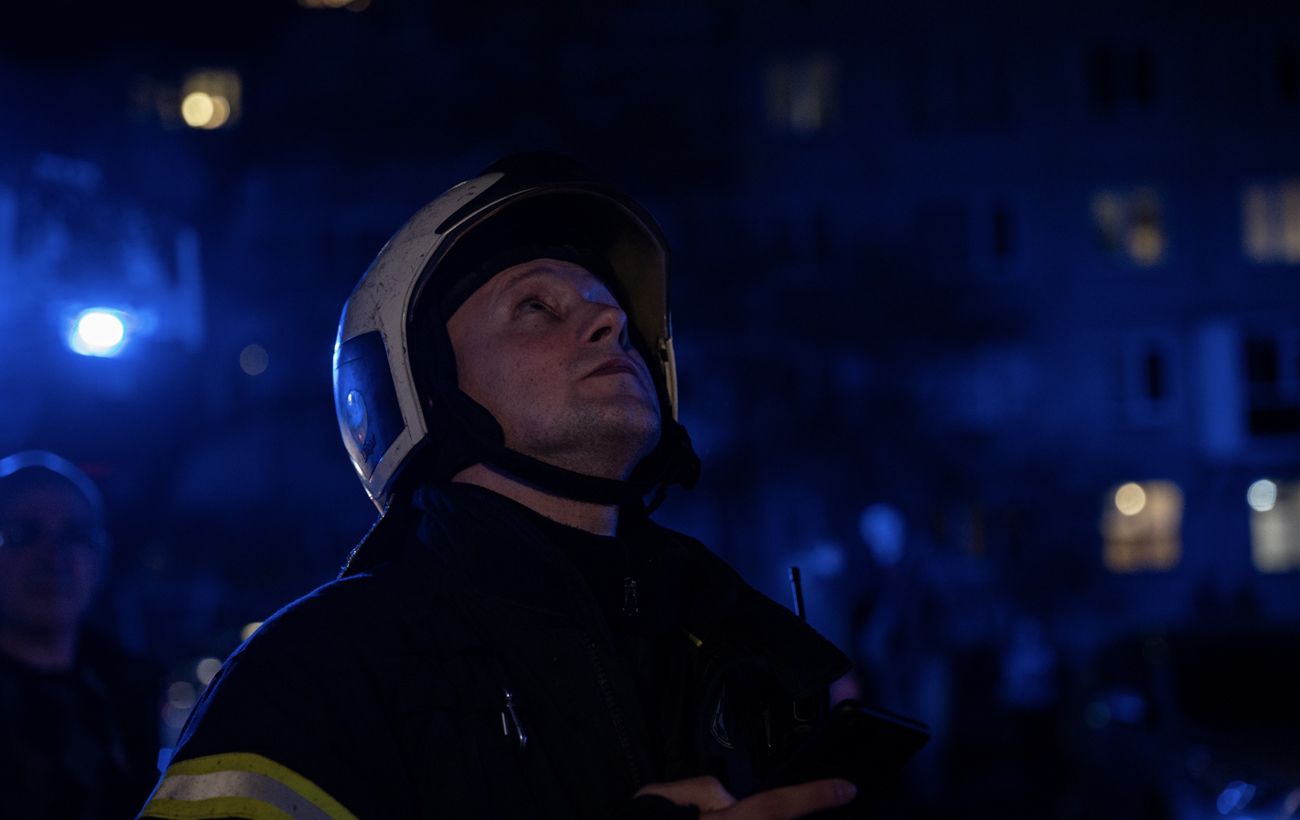
Late on March 9, Russian forces launched an attack on Dnipro, leading to explosions that damaged a residential building and a bank. Reports indicate that at least four individuals were injured, including a child.
According to Oleksandr Hanža, head of the Dnipropetrovsk Regional State Administration, the Ukrainian Air Force had warned of drone groups moving towards the Dnipropetrovsk region earlier that evening, particularly targeting Pavlohrad.
Following the initial explosions, Hanža provided updates on the aftermath of the assault. “A fire occurred. The shockwave damaged a multi-story building and the premises of a bank,” he stated.
Initially, two individuals were reported injured, including a 29-year-old woman who was hospitalized with moderate injuries. A 60-year-old man also sustained injuries but declined hospitalization after receiving on-site medical assistance.
By 12:10 AM, it was confirmed that a 12-year-old boy was among the injured and was receiving medical care.
Attacks on Dnipro and the surrounding region have been recurrent. Notably, on February 28, Russian forces struck Dnipro, with a drone falling near the residence of the city’s mayor, Borys Filatov. Earlier in February, Dnipro faced severe energy challenges, with widespread blackouts affecting much of Ukraine, although the situation has since stabilized.
Additionally, heating issues arose in Dnipro due to Russian attacks, mirroring challenges faced in other major cities, including Kyiv.
A recent Russian attack on Dnipro resulted in injuries and damage to infrastructure, highlighting the ongoing conflict's impact on civilian areas. The situation in Dnipro remains precarious, with previous attacks contributing to energy and heating crises.