Recent analysis from the Institute for the Study of War (ISW) indicates that Russia is exploiting the current geopolitical climate in the Middle East to position the United States as responsible for any future setbacks in peace negotiations regarding Ukraine. This strategy appears to be part of a broader effort by Moscow to influence public perception and diplomatic narratives.
On March 5, Russian Foreign Minister Sergey Lavrov criticized U.S. rhetoric surrounding American-Israeli operations against Iran. He accused Washington of attempting to sow discord and destabilize the broader Middle East, particularly affecting relations between Iran and Gulf nations. Lavrov’s remarks reflect a growing concern among Russian officials regarding the timing of U.S. military actions in relation to ongoing peace talks in Ukraine.
“Many Russian politicians, political analysts, and experts are worried about the timing of U.S. operations against countries with which they are negotiating, and how this relates to peace talks in Ukraine,” Lavrov stated.
ISW noted that Lavrov’s comments suggest a calculated approach to reassure the Russian populace and its allies, while avoiding overt criticism of the Trump administration. In contrast, other Russian officials have adopted a more aggressive stance, utilizing U.S. military actions against Iran as a basis for harsh criticism of American policies and as a means to undermine U.S.-led negotiations in Ukraine.
Among those taking a more confrontational approach is Dmitry Medvedev, Deputy Chairman of Russia’s Security Council, who has publicly condemned President Trump for pursuing peace initiatives while military operations against Iran are underway. Analysts suggest that Medvedev’s rhetoric serves as a vehicle for expressing more extreme views that reflect the Kremlin’s genuine sentiments.
ISW assesses that the Kremlin has long sought to prolong and obstruct peace negotiations in Ukraine, showing little interest in discussions that do not align with its initial military objectives. However, Russia faces the challenge of balancing its foreign relations with the U.S. and its allies, particularly in light of potential sanctions or other repercussions that could compel it to engage in meaningful dialogue.
The current escalation in rhetoric from Moscow following U.S.-Israeli military actions against Iran complicates this balance. ISW posits that Russia may utilize direct criticism of the U.S. as a justification for any forthcoming failures in negotiations concerning the conflict in Ukraine.
Recently, Ukrainian President Volodymyr Zelensky reported that negotiations involving Moscow, Kyiv, and Washington have stalled due to the intensifying conflict in the Middle East. Since early 2026, several rounds of trilateral talks have taken place, including meetings in Abu Dhabi and Geneva.
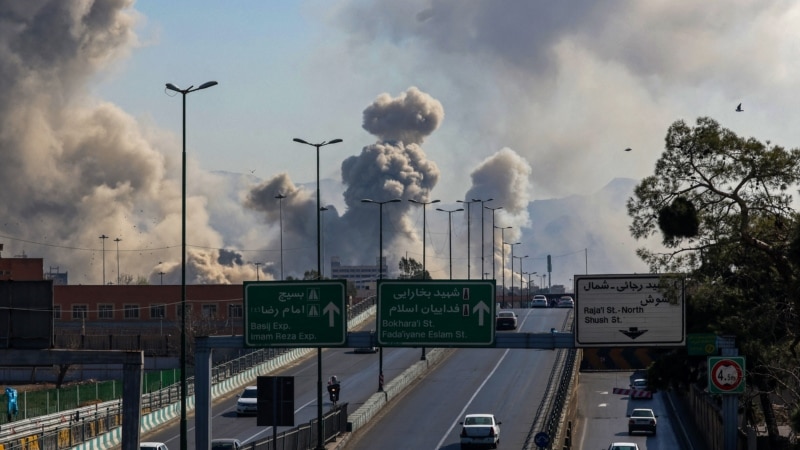
A new round of discussions was anticipated for early March in Abu Dhabi, having been scheduled prior to the escalation of hostilities in the Middle East. Since February 28, Israeli and U.S. forces have conducted strikes against Iran, while Tehran has retaliated against Israel and U.S. military installations in the Gulf region.
The Institute for the Study of War reports that Russia is using tensions in the Middle East to deflect blame for potential failures in Ukraine peace negotiations. This strategy includes criticism of U.S. military operations and a calculated approach to influence public perception.