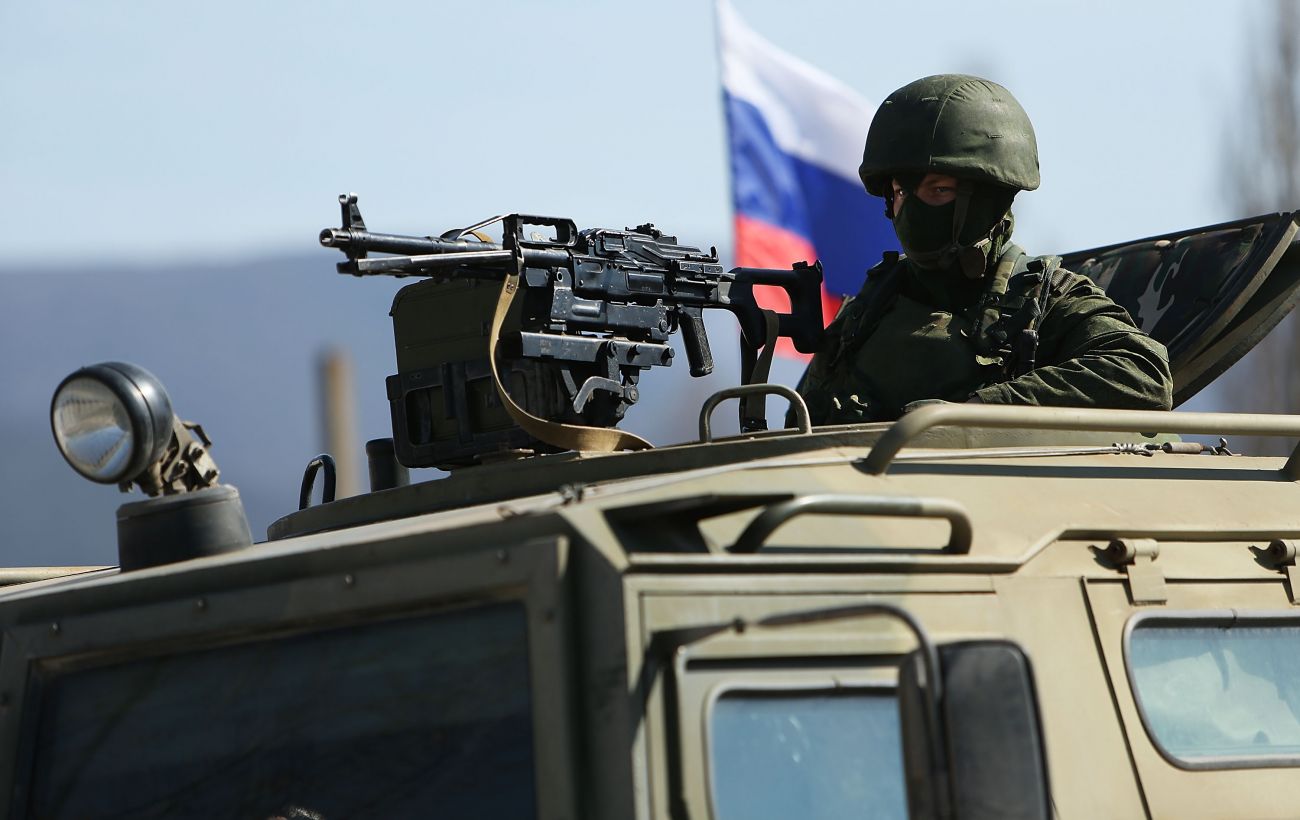
The Russian government has introduced a controversial recruitment strategy aimed at replenishing military losses in Ukraine by targeting migrants. This shift comes as the Kremlin faces significant casualties and seeks alternatives to traditional mobilization methods, which have sparked protests in various countries.
With many nations officially prohibiting their citizens from participating in the conflict, Russia is reportedly resorting to what has been described as “migration terror.” This tactic involves creating unbearable living conditions for foreigners without Russian citizenship, effectively coercing them into military service.
According to official statements, the Kremlin has turned to migrants residing in Russia as a new source of manpower. As countries in Asia, Africa, and Latin America oppose the recruitment of their citizens into the Russian armed forces, Moscow has devised a strategy to make life for undocumented migrants increasingly difficult. This includes strict enforcement of immigration laws, where even minor documentation errors can lead to deportation, leaving military service as the only viable option.
Statistics reveal a dramatic increase in the deportation of foreigners from Russia. In 2024 alone, over 157,000 individuals were forcibly removed, a 45% rise compared to the previous year. Although the number of deportations dropped to 72,000 in 2025, this decline was not due to more humane practices but rather a lack of financial resources, as acknowledged by Russian Interior Minister Vladimir Kolokoltsev, who stated that they could have deported ten times as many if funds were available.
In a bid to broaden the pool of potential recruits, the Russian authorities are also proposing amendments to the Administrative Offenses Code. These changes would allow for the expulsion of foreigners for various offenses, including violations of religious laws, “abuse of freedom of speech,” and the dissemination of “extremist” content on audiovisual platforms.
- Violations of religious laws;
- “Abuse of freedom of speech”;
- Dissemination of “extremist” content.
This means that even a simple like or comment on social media could serve as a pretext for coercion, leaving migrants with the grim choice of imprisonment and deportation or serving on the front lines in Ukraine.
The Kremlin appears to be banking on the idea that migrants, eager to protect their families and secure legal status, will “voluntarily” choose military service. While this is framed as a pathway to citizenship through expedited procedures, it effectively reduces these individuals to mere cannon fodder, delaying further mobilization efforts among ethnic Russians.
Ukrainian intelligence has emphasized that there is no real choice involved; this is a forced conscription disguised as bureaucratic process, where the price of a Russian passport could be the life of a foreign national in a foreign war.
Russia's new recruitment strategy targets undocumented migrants, coercing them into military service amid significant losses in Ukraine. This approach raises concerns about the ethical implications of using vulnerable populations in conflict.