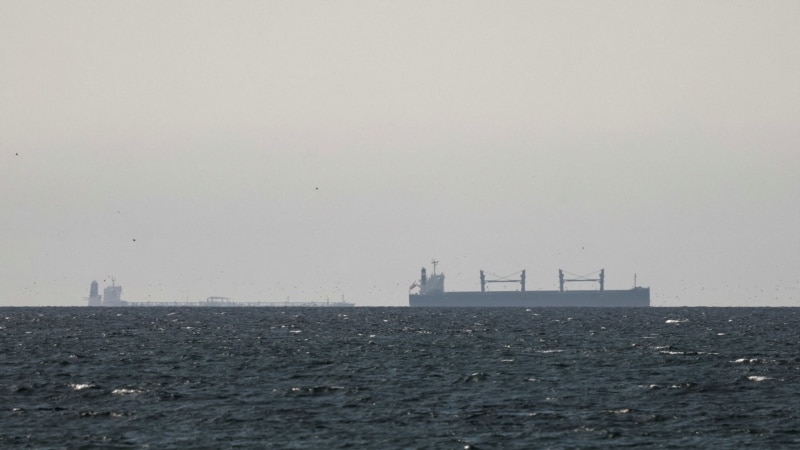
The Iranian government has agreed to permit 20 additional ships flying the Pakistani flag to pass through the strategically important Hormuz Strait, as announced by Pakistan’s Foreign Minister Ishaq Dar on March 28. This decision enables two vessels to transit daily, easing some of the recent maritime restrictions.
The Hormuz Strait is a critical chokepoint for global oil supplies, accounting for approximately 20% of the world’s oil shipments. The area has been a focal point of escalating tensions following U.S. and Israeli military actions against Iran that began on February 28.
In a related development, U.S. President Donald Trump warned that the United States would take decisive action against Iranian power plants if Tehran continued to obstruct this vital shipping route. Initially, Trump set a 48-hour deadline for Iran to comply but later extended it to March 27, and then for an additional 10 days, as Washington awaited Iran’s formal response to a proposed 15-point peace plan.
Pakistan has been acting as a mediator between Iran and the U.S., relaying the American peace proposal to Tehran. Additionally, the Pakistani government announced that it would host foreign ministers from Saudi Arabia, Turkey, and Egypt on March 29-30 to discuss the ongoing situation.
In remarks made on March 26, Trump expressed his belief that Iran was seeking negotiations, citing what he referred to as a “gift” from Tehran that allowed 10 oil tankers to pass through the Hormuz Strait.
While Iran has indicated that ships from “non-hostile” nations would have free passage, the overall uncertainty surrounding the situation has complicated insurance arrangements for vessels, creating further challenges for shipping in the region.
Iran's decision to allow more Pakistani ships through the Hormuz Strait marks a significant development in ongoing tensions involving the U.S. and Iran. The situation remains complex as diplomatic efforts continue amid threats and military posturing.