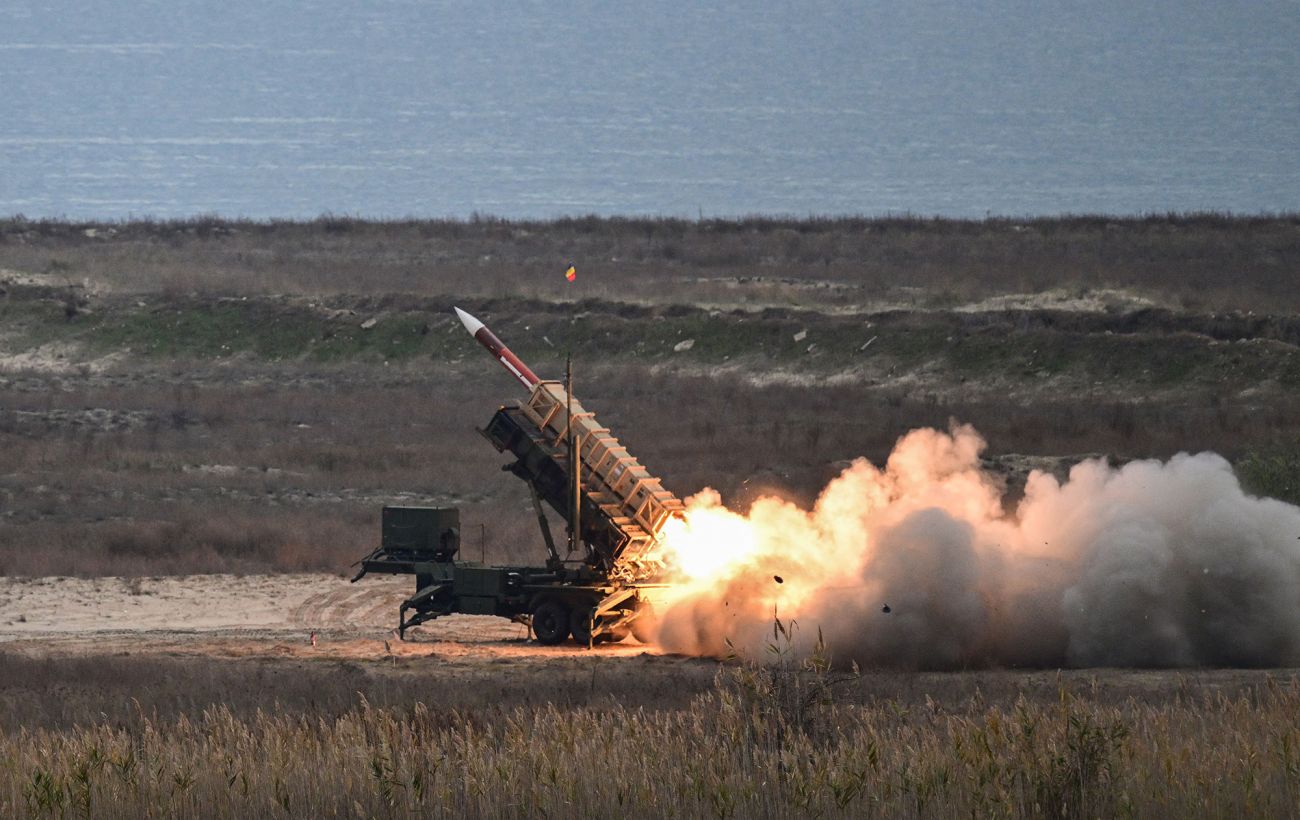
A renewed conflict in the Middle East poses significant challenges for Ukraine’s ability to defend against Russian missile strikes. The extensive use of U.S. air defense systems in the region has led to rapid depletion of interceptor missile stocks.
Since the onset of hostilities, U.S. military forces and their allies in the Gulf region have deployed hundreds of Patriot missiles to intercept Iranian missiles and drones. Analysts estimate that as many as 1,000 PAC-3 interceptors may have been utilized in the early weeks of the conflict.
The United Arab Emirates’ Ministry of Defense reported that Iran launched over 1,475 drones, 262 ballistic missiles, and eight cruise missiles targeting the country. Most of these threats were neutralized by air defense systems, including the Patriot and Terminal High Altitude Area Defense systems.
Ukrainian President Volodymyr Zelensky has indicated that the shortage of interceptor missiles has been a concern for some time. However, he warned that the new conflict could exacerbate the situation significantly. He stated that the ongoing war in the Middle East would likely reduce the availability of additional missiles for Ukraine’s air defense.
European officials share these concerns, fearing that Russian President Vladimir Putin might exploit the situation to intensify attacks on Ukrainian infrastructure while U.S. and allied attention is diverted to another conflict.
Lockheed Martin, the American defense contractor, has agreed to increase its production of Patriot missiles nearly threefold, from approximately 600 to around 2,000 units per year. However, experts caution that scaling up production to meet the heightened demand will take several years.
Prior to the escalation of conflicts in Europe and the Middle East, U.S. production of these missiles was limited to about 270 annually, which is significantly lower than current requirements.
Some European officials have expressed concerns about potential shifts in military support for Ukraine under a future Trump administration. They speculate that the level of assistance might be reassessed. In response, there is a growing discourse in Europe regarding the need to develop an independent defense industry.
Finnish Defense Minister Antti Häkkänen emphasized the necessity for the region to establish its own industrial base for arms production, enabling Ukraine to receive air defense systems more swiftly.
The ongoing conflict in the Middle East is straining Ukraine's air defense capabilities, as U.S. resources are diverted and missile stocks dwindle. This situation raises concerns about Ukraine's ability to defend against Russian aggression amid evolving geopolitical dynamics.