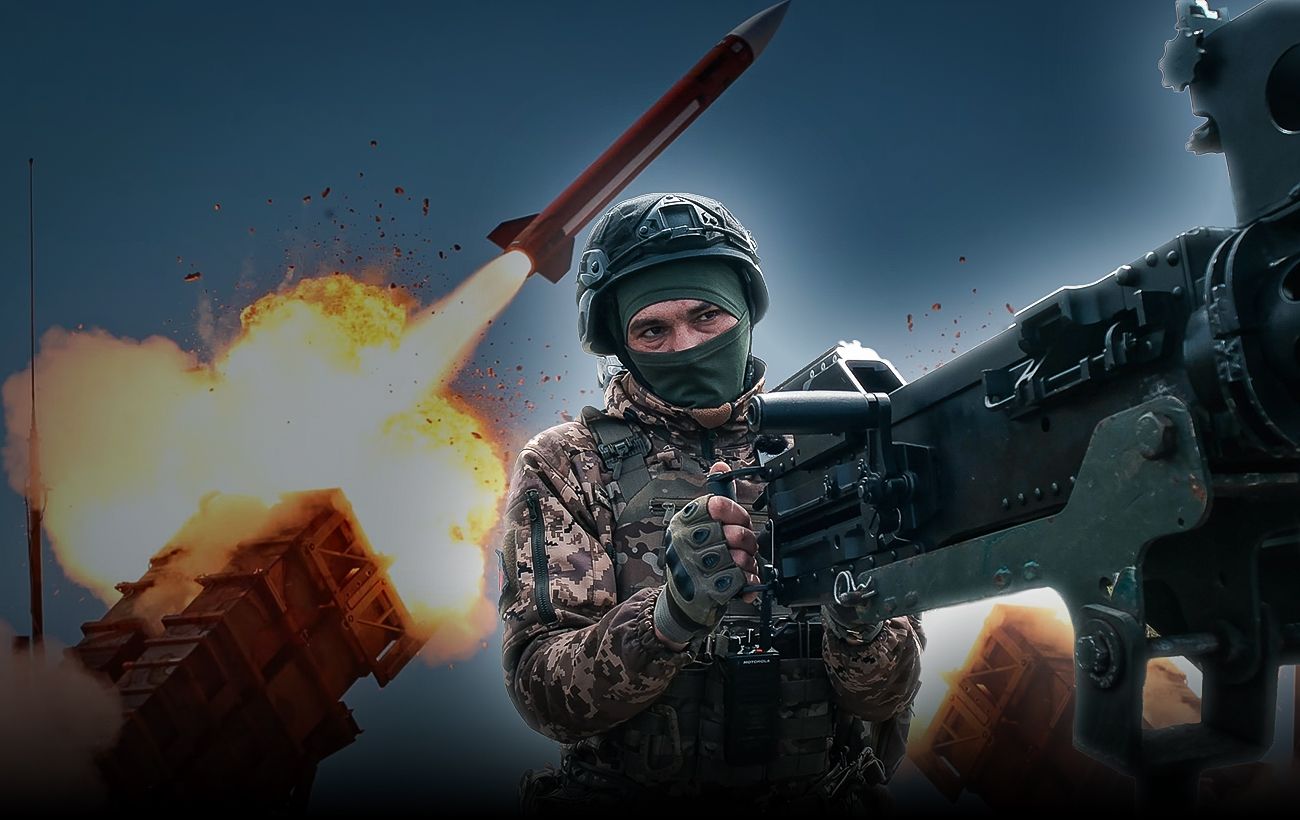
The ongoing conflicts in Ukraine and the Middle East have exposed a significant challenge for the global defense industry: the rapid depletion of Patriot missile stocks. As these two major military engagements unfold, the production of PAC-3 MSE interceptors is struggling to keep pace with demand.
Key Insights:
- Patriot’s Role: The Patriot missile system is essential for intercepting ballistic missiles, serving both the Gulf nations and Ukraine.
- Threat to Ukraine: The pressing issue is not the availability of new Patriot batteries but the potential shortage of missiles for existing systems in the coming months.
- Production Challenges: Global production of PAC-3 MSE interceptors is limited to hundreds annually, while current conflicts are depleting stocks at an alarming rate.
- Resource Strain: In just 16 days of conflict in the Gulf, over a thousand PAC-3 missiles may have been expended, while Ukraine reportedly used around 117 this winter.
- Seeking Alternatives: Ukraine may need to bolster its air defense capabilities through domestic production and new systems like SAMP/T NG, as well as targeting Russian missile production facilities.
The escalation of tensions surrounding Iran has significantly increased the operational demands on American air defense systems, particularly the Patriot systems known for their effectiveness against missiles, drones, and aircraft. These systems are currently being utilized by the U.S. and Gulf nations to counter Iranian strikes while also aiding Ukraine in repelling Russian missile attacks. However, while countries are often left waiting years for the delivery of these systems, the production of interceptor missiles remains severely constrained.
With two large-scale military conflicts occurring simultaneously, competition for air defense resources is intensifying. The immediate concern for Ukraine lies not in the theoretical wait for new Patriot systems but in the acute shortage of missiles for existing systems in the near future.
Depletion Statistics:
According to available data, Iran has launched over a thousand missiles and more than three thousand kamikaze drones at targets in the Middle East within the first 16 days of the current conflict. The peak of these attacks occurred during the first week, followed by a significant decrease in launches, likely due to the depletion of Iranian stockpiles and active targeting of launch sites by U.S. and Israeli forces.
U.S. and allied forces have successfully intercepted over 90% of incoming missiles and drones using various systems, including THAAD, Aegis, and fighter jets. However, the majority of ballistic targets are intercepted by Patriot systems, with Saudi Arabia operating up to 25 battery units.
Reports indicate that U.S. and allied forces may have already launched over a thousand PAC-3 missiles to counter Iranian threats. This figure could be even higher, as U.S. protocols allow for multiple interceptors to be fired at a single target. Meanwhile, Ukraine has received approximately 600 PAC-3 missiles from its partners since the onset of the full-scale invasion four years ago.
Lockheed Martin is ramping up production capabilities, aiming for an output of 2,000 missiles annually by 2033. However, the current production reality is stark: in 2025, only 620 PAC-3 MSE missiles were produced, with plans for around 650 this year. The production cycle for a single missile currently spans 25 months.
For Ukraine, this situation translates into fierce competition for missile supplies from partner nations. Western interceptors are becoming increasingly scarce, while the ballistic arsenals of Russia and Iran continue to be replenished.
Ukraine’s air defense has been operating on the brink, with officials previously noting instances where systems were nearly out of missiles. President Zelensky recently stated, “We currently do not have a large number of missiles. However, I believe that the ongoing conflict in the Middle East will impact our ability to acquire more missiles.”
In the midst of the Gulf conflict, Germany and its allies have managed to secure 35 PAC-3 interceptors for Ukraine, but estimates suggest this may only last for about two weeks, depending on the intensity of Russian attacks.
As the conflict in the Middle East drags on, it poses increasing challenges for Ukraine. The U.S. is likely to prioritize the defense of its own forces and partners in that region, further complicating Ukraine’s access to critical missile supplies.
Experts predict that Ukraine may face a severe shortage of interceptors within one to three months, based on the intensity of ongoing Russian missile attacks. The urgency of the situation is underscored by concerns that Ukraine may struggle to find even 30 missiles, as stockpiles dwindle in both Europe and the U.S.
To mitigate these challenges, Ukraine is exploring several solutions, including enhancing its own air defense production capabilities and targeting Russian military-industrial complexes involved in missile manufacturing. Additionally, the SAMP/T NG systems from France, which are expected to arrive this year, may help alleviate some of the pressure on Ukraine’s air defense.
In conclusion, the conflict in the Middle East not only affects global military dynamics but also poses a direct threat to Ukraine’s air defense capabilities. As demand for interceptor missiles continues to outstrip production, Ukraine must adapt and innovate to secure its defense needs.
The simultaneous conflicts in Ukraine and the Middle East are leading to a potential shortage of Patriot missiles, impacting Ukraine's air defense capabilities. As global production struggles to meet demand, Ukraine faces urgent challenges in securing critical missile supplies.