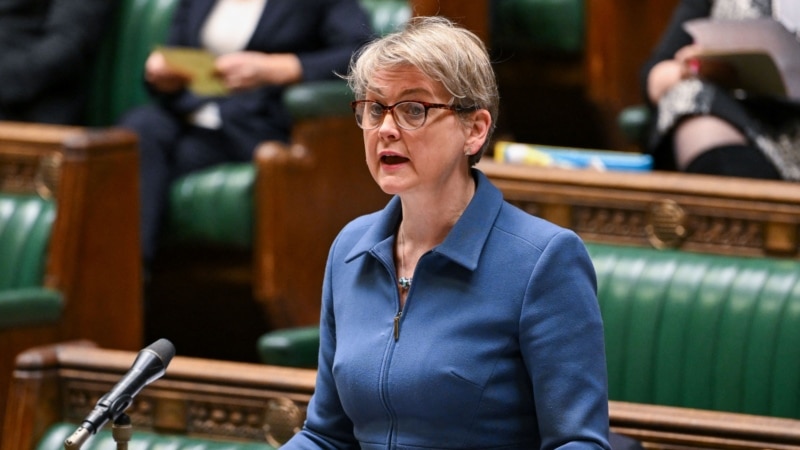
On March 27, foreign ministers from the G7 nations convened in France to discuss ongoing conflicts in the Middle East and Ukraine. The meeting was marked by significant concerns regarding the growing ties between Iran and Russia, as highlighted by British Foreign Secretary Yvette Cooper.
Cooper pointed to the supply of drones from Iran to Russia for use in the war against Ukraine as a critical issue. She emphasized the reciprocal support that Russia provides to Iran in the Middle Eastern conflict, underscoring the necessity for G7 countries to unite in addressing these challenges and safeguarding the global economy from states that may weaponize it.
In relation to the strategic Strait of Hormuz, which has faced disruptions due to Iranian actions, Cooper affirmed the UK’s support for defensive measures. However, she clarified that London maintains a distinct stance on offensive actions within the conflict, consistent with its previous position of non-intervention alongside the United States and Israel.
Cooper stated, “Iran cannot hold the global economy hostage through the Strait, which is essential for international shipping routes and freedom of navigation.” This sentiment reflects broader concerns about the implications of Iran’s actions on global trade.
Prior to the Paris meeting, U.S. Senator Marco Rubio indicated that a central message for allies would be the urgent need to reopen the Strait of Hormuz, stressing that it is in their interest to assist in this regard.
In a related context, U.S. President Donald Trump criticized NATO, asserting that the alliance had done “absolutely nothing” to support the U.S. regarding Iran, while asserting that the U.S. requires no assistance from NATO.
On February 28, the U.S. initiated a military operation in coordination with Israel against Iran, resulting in the death of Supreme Leader Ayatollah Ali Khamenei and strikes on military and nuclear facilities. In retaliation, Iran has targeted American bases and allied infrastructure in the Persian Gulf region.
The operation has led Iran to effectively blockade the Strait of Hormuz, a vital waterway for oil shipments from Gulf countries to the global market, raising concerns about potential disruptions in oil supply.
The G7 foreign ministers met in Paris to address the interconnected conflicts in the Middle East and Ukraine, focusing on Iran's ties with Russia and the implications for global trade. The discussions highlighted the strategic importance of the Strait of Hormuz amid rising tensions and military actions in the region.