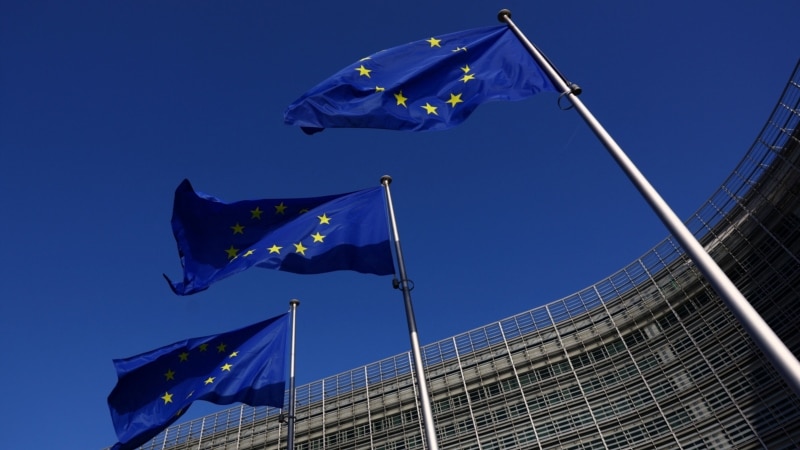
The European Commission has put forward a proposal for European Union member states to become founding members of a special tribunal aimed at prosecuting the crime of aggression against Ukraine. This announcement was made on March 25.
If member states approve the proposal, the European Commission will formally express the EU’s intention to join the tribunal as a founding member.
The Commission emphasized that the EU would play a pivotal role in the tribunal’s operations, including serving as a member of the steering committee overseeing its activities.
According to the Commission, the special tribunal will be tasked with prosecuting high-ranking political and military leaders for their roles in the aggression against Ukraine. EU High Representative for Foreign Affairs, Josep Borrell, stated, “Justice for the victims of aggression is the best path to lasting peace. The pursuit of justice also serves as a deterrent for potential aggressors. In a time when international law is under historic pressure, the appropriate response is to increase accountability, not diminish it.”
She acknowledged that establishing the necessary legal framework will require time, effort, and broad international support, but deemed it worthwhile.
The Commission noted that the EU has been instrumental in drafting the foundational legal texts for the special tribunal. It also supports accountability for the crime of aggression through the International Center for Criminal Prosecution of the Crime of Aggression against Ukraine and has allocated €10 million to assist in preparing the tribunal’s operational structure.
Ukrainian Foreign Minister Andrii Sybiha welcomed the Commission’s proposal for the EU to initiate the process of joining the tribunal’s founding members. He highlighted the significance of this step, particularly in light of the upcoming anniversary of civilian killings in Bucha.
Sybiha remarked, “The unspeakable horrors of Russian crimes in Bucha, Mariupol, Izyum, and other Ukrainian cities echo the most horrific atrocities of World War II. They have shaken the very moral foundations of Europe. Peace in Europe demands justice for the victims of Russian aggression against Ukraine.”
He expressed hope for the swift approval of this proposal by the EU Council and for member states to join the tribunal.
In January, Secretary General of the Council of Europe, Marija Pejčinović Burić, announced that the Council of Europe and the European Union had agreed to establish an advanced group for a potential special tribunal to investigate the crime of aggression against Ukraine.
On June 25, 2025, Ukrainian President Volodymyr Zelensky and Secretary General of the Council of Europe, Aline Berse, signed an agreement to establish a Special Tribunal for investigating the crime of aggression against Ukraine. Subsequently, the President instructed his team to develop a clear timeline for practical steps toward the tribunal’s formation.
On July 1, 2025, President Zelensky signed documents for the ratification of the Agreement on the establishment of the Special Tribunal regarding Russia’s aggression against Ukraine, emphasizing the need for prompt ratification to initiate the tribunal’s establishment process.
The European Commission has proposed that EU member states join a special tribunal to prosecute aggression against Ukraine. This initiative aims to enhance accountability for high-ranking officials involved in the conflict, with significant implications for international law and justice.