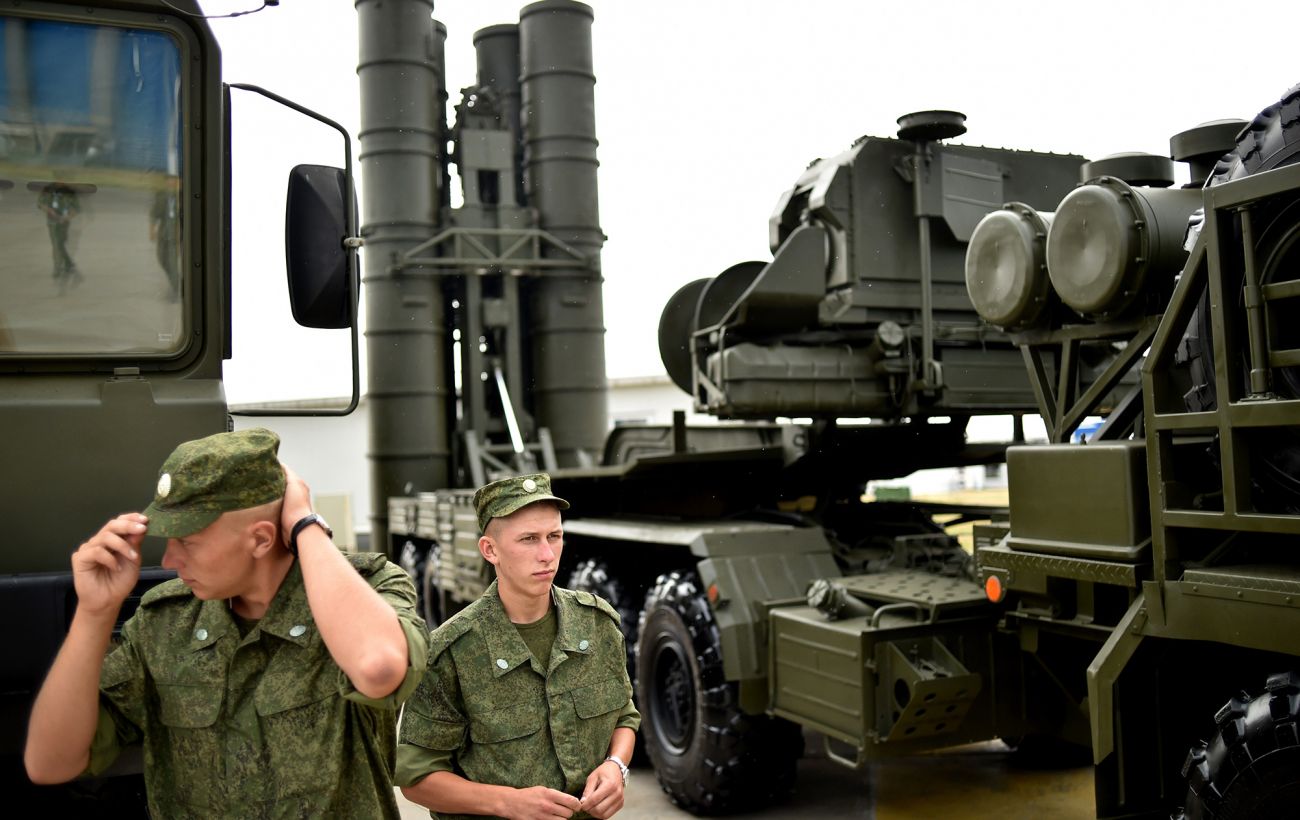
Recent statistics indicate a significant decrease in the intensity of missile strikes by Russia against Ukraine. Over the course of the full-scale invasion, Russia has launched more than 12,000 missiles of various types, with 6,600 of those fired in the first year alone.
Experts note that while it may appear that Russia is ramping up its missile production, the actual frequency of attacks is on the decline. The data suggests that the overall rhythm and tempo of strikes are diminishing, despite some ongoing activity.
During a combined assault on February 26, Ukrainian air defenses successfully intercepted 406 out of 459 targets, including all X-101 cruise missiles and anti-ship Zircon missiles. This high success rate can be attributed to the timely delivery of air defense missiles from Western partners, which were arranged during the last Ramstein meeting.
Experts highlight that the production cycle for Western air defense missiles typically lasts between 20 to 25 months. Consequently, the missiles currently being deployed were likely ordered two years ago, allowing for effective defense against recent Russian attacks.
While Russian missile production continues, it has not kept pace with the intensity of earlier assaults. The era of daily mass strikes involving dozens of ballistic missiles is no longer a regular occurrence. Although isolated incidents of high-intensity attacks may still happen, the overall trend points toward a reduction in missile strikes.
In summary, while Russia maintains a missile arsenal, the frequency of its strikes has decreased, a trend supported by the successful interception of missiles by Ukraine’s air defense systems, bolstered by Western military support.
Recent analysis shows a decline in the frequency of Russian missile strikes on Ukraine, with significant interceptions by Ukrainian air defenses. The data indicates that while missile production continues, the intensity of attacks has decreased since the initial year of the invasion.