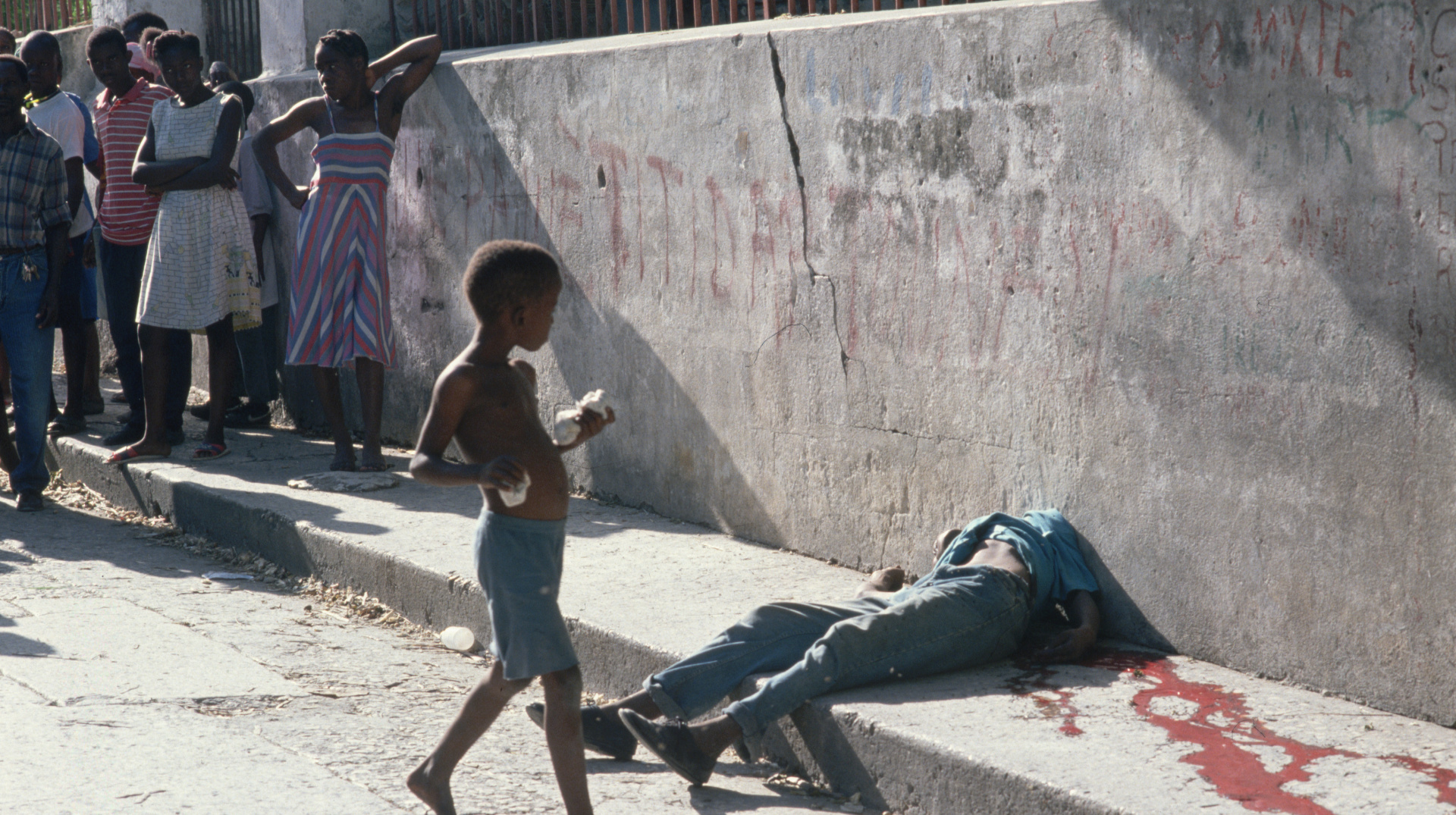
UNICEF’s head in Haiti, Geeta Narayan, has revealed that children make up nearly half of the members of armed groups in the country, as new multinational police and military forces prepare to confront these gangs.
A recent report by the UN Secretary-General titled “Children and Armed Conflict” for 2024 indicates that gangs in the capital, Port-au-Prince, have recruited at least 302 children. UNICEF noted a staggering 200% increase in the number of boys and girls involved with these groups in 2025, with many being directly engaged in combat.
These armed groups are leveraging social media to attract recruits by showcasing wealth and luxury. Vulnerable homeless children are particularly targeted, with gangs establishing food and housing distribution networks. In some cases, desperate parents have willingly handed over their children to these criminals.
According to the UN, minors are paid between $100 and $300 for tasks such as guarding kidnapped individuals, gathering intelligence, or participating in robberies. Payments can reach up to $700 for involvement in kidnappings or armed confrontations.
In 2024, a recruited teenager recounted to CNN that he was just 11 years old when a gang offered him food in exchange for joining. He later found himself tasked with burning the bodies of people killed by the gang.
The situation in Haiti remains dire, with over 1.4 million individuals displaced and schools and hospitals completely destroyed.
Since 2022, police or self-defense groups have executed at least 30 children without trial, accusing them of gang affiliations. For minors who manage to escape these groups, UNICEF has implemented a reintegration program called Prejeune, which has already assisted over 500 individuals.
Background context includes the assassination of Haitian President Jovenel Moïse by mercenaries on July 7, 2021, which plunged the nation into a severe political and security crisis, allowing armed gangs to seize control of significant portions of the capital. In October 2023, the UN Security Council authorized the deployment of a Multinational Security Support Mission (MSS) to combat gang violence. The first reinforcement unit, consisting of Chadian troops, arrived in early April, with plans for approximately 5,500 personnel to collaborate with local police and military forces.
The recruitment of children by gangs in Haiti has surged, with UNICEF reporting that nearly half of gang members are minors. As international forces prepare to intervene, the humanitarian crisis deepens, with many children being exploited in violent roles.