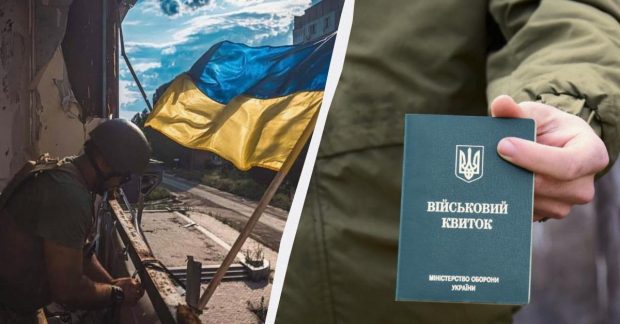
Ukraine’s mobilization continues amid the ongoing conflict, with potential adjustments to the training period for new recruits. As of April 1, 2026, the mobilization rules remain largely unchanged, although new proposals are under consideration that could affect the training and deployment of military personnel.
The current mobilization is governed by a decree from the President of Ukraine, which outlines the general mobilization framework. The extension of martial law, approved by the Verkhovna Rada in January, automatically extends mobilization measures until at least May 4, 2026.
Men aged 25 to 60 who are fit for service and do not have legal grounds for deferral are currently subject to conscription. Priority is given to specific groups, including:
- Reservists and former servicemen with combat experience;
- Individuals with necessary military or technical specialties.
New recruits lacking experience typically undergo training lasting about 1.5 to 2 months, followed by specialized training and integration into their units.
Discussions are ongoing regarding the process for sending recruits to the front lines. A proposed bill in the Verkhovna Rada suggests implementing a three-month ‘adaptation period’ following training or graduation from military academies, during which servicemen would not be deployed to combat.
This measure aims to reduce casualties and enhance the combat readiness of those who have received conscription notices, without altering the categories of individuals eligible for mobilization.
Age Considerations in Ukraine’s Mobilization
The age criteria for mobilization remain a hot topic in both media and official discussions. Currently, men aged 25 to 60 are eligible for conscription, meaning individuals aged 18 to 24 without military experience cannot be mobilized.
However, exceptions exist. Those under 25 may be conscripted if they have prior military training or if they are:
- Individuals with military training;
- Reserve officers;
- Volunteers.
Thus, while the formal conscription age remains at 25, younger individuals may still participate under certain conditions.
The upper age limit for conscription stays at 60, but voluntary contract service is permitted for older citizens. Proposals to raise the upper limit to 65 have not yet been legislated and remain under discussion.
Overall, Ukraine’s mobilization strategy is evolving to become more flexible and focused, emphasizing the quality of training, specialization, and careful management of personnel.
Ukraine's mobilization efforts are ongoing, with current rules largely unchanged but new proposals under discussion. The focus is on enhancing training quality and managing personnel effectively.