On March 16, foreign ministers from European Union member states convened to deliberate their possible responses regarding the Strait of Hormuz, a critical route for oil and fertilizer transportation.
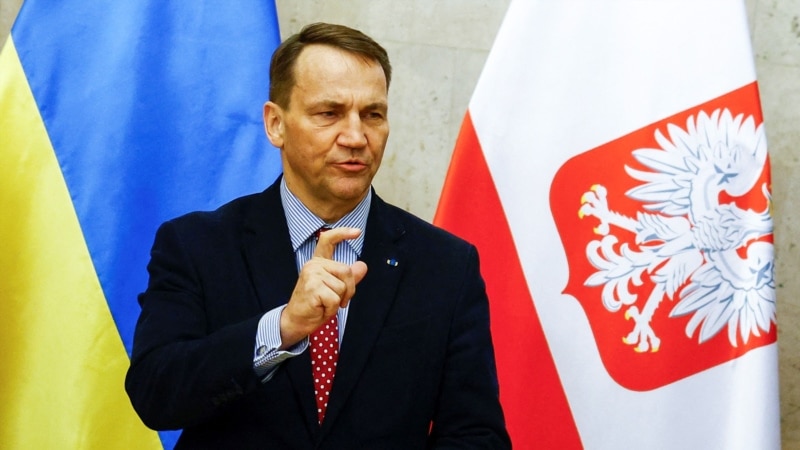
In light of U.S. President Donald Trump’s comments urging allies to assist in reopening the strait, Polish Foreign Minister Radosław Sikorski expressed concern over the president’s framing of NATO as a separate entity from the United States. He remarked, “It is somewhat troubling that President Trump refers to NATO as ‘them’ or ‘Europe,’ rather than ‘us.’ There are established procedures, and to my knowledge, they have not yet been activated within NATO… Turkey could request consultations under NATO Article 4 if it perceives a threat to its security, similar to previous instances involving Russian drones or aircraft near Poland or Estonia. Should there be a request through NATO, we would certainly consider it carefully out of respect and sympathy for our American allies.”
Newly appointed Dutch Foreign Minister Tom Berendsen acknowledged awareness of the current U.S. administration’s expectations, as well as those of previous administrations, for Europe to take on a greater role within NATO. However, he emphasized the need for further assessment regarding actions in the Strait of Hormuz. “Regarding this specific action in the Strait of Hormuz, we are still determining what is feasible, what the needs are, and what can realistically be achieved. These are serious decisions that require careful consideration of their potential impact. Therefore, no decisions have been made at this time,” Berendsen stated.
German Foreign Minister Heiko Maas highlighted the shared interest among allies in maintaining freedom of navigation at sea but noted that NATO has not reached any conclusions regarding actions in the Strait of Hormuz. “We primarily want to hear from Israel and the United States when they consider their military objectives in Iran to be achieved… Once we reach that stage, we can address further questions. However, those questions are not currently on the table,” Maas remarked, reflecting on President Trump’s expectations.
Earlier, President Trump warned that NATO faces a “very bad” future if member states do not assist in reopening the strategically vital Strait of Hormuz, which has been effectively closed by Iran amid tensions with the U.S. and Israel. In an interview published on March 16 by The Financial Times, Trump indicated that, similar to U.S. support for Ukraine in its conflict with Russia, he anticipates European assistance in the strait.
Disruptions in shipping through the strait have led to rising oil prices globally, contributing to increased living costs for millions. When asked about the specific assistance he expects, Trump mentioned the need for minesweepers and personnel capable of neutralizing threats along the Iranian coastline.
EU foreign ministers are assessing their potential actions in the Strait of Hormuz following U.S. President Trump's call for NATO allies to assist in reopening this critical shipping lane. The discussions highlight concerns over security and navigation freedom amid rising tensions in the region.