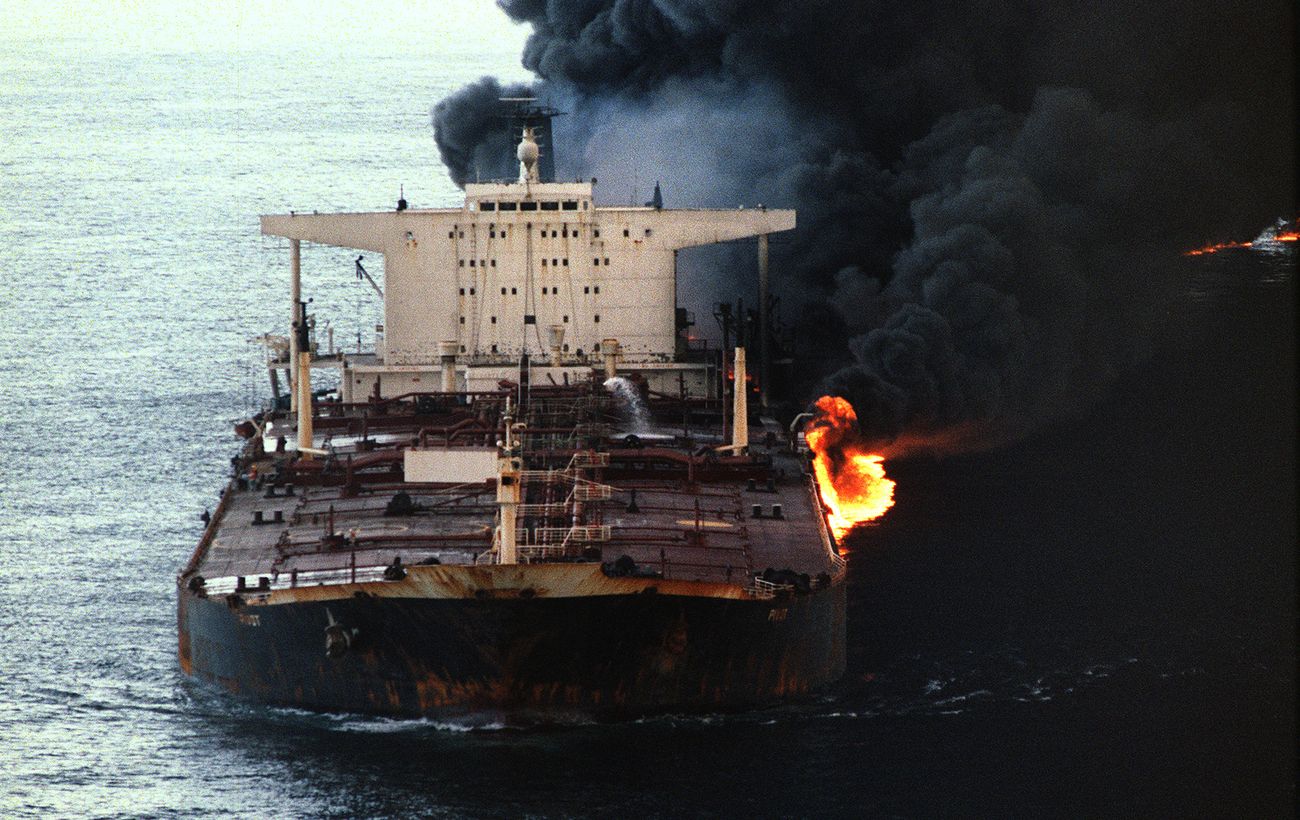
The ongoing conflict in the Middle East has led to Iran’s blockade of the Strait of Hormuz, a critical passage for approximately 20% of the world’s oil supply. In response, Saudi Arabia and the United Arab Emirates (UAE) have begun utilizing alternative oil pipelines to maintain their export levels.
Oil from the Persian Gulf is now being transported to global markets via these new routes, which have the potential to compensate for about one-third of the supply deficit caused by the blockade. However, Iran has already targeted the infrastructure supporting these alternative routes.
Saudi Arabia operates the East-West pipeline, which runs from the eastern coast of the Arabian Peninsula, where its major oil fields are located, to the western coast along the Red Sea, specifically to the port city of Yanbu. This pipeline has a capacity of 7 million barrels per day. On March 10, Saudi Aramco announced plans to maximize the pipeline’s capacity in the coming days.
In addition, the UAE has its own pipeline running from Habshan to Fujairah, allowing for land-based transport of oil parallel to the Strait of Hormuz. This route can handle between 1.5 and 1.8 million barrels per day.
“Saudi Arabia and the UAE are already increasing the utilization of these pipelines to bypass the strait,” said Navin Das, an analyst at Kpler, a consulting firm monitoring global commodity markets.
Despite the combined capacity of these pipelines being between 8.5 and 8.8 million barrels per day, the volume that typically passes through the Strait of Hormuz is around 20 million barrels. Thus, while these alternative routes can cover a significant portion of the deficit, they are not a complete solution.
Experts note that Iran is aware of the significance of these new routes and has already launched attacks against them. For instance, on March 11, Tehran targeted a terminal in Fujairah with a drone strike, marking an escalation in its efforts to disrupt oil transport in the region.
While the East-West pipeline presents lower risks compared to routes directly through the Strait, concerns remain about potential drone attacks. Enhancements to the pipeline infrastructure, such as new pumping stations, may improve security but do not eliminate risks entirely.
The introduction of these alternative transport routes is expected to increase oil supply on the market, which may alleviate some pressure on global oil prices. However, experts caution that prices are unlikely to return to levels below $70 per barrel, which were seen in February.
In Ukraine, the impact of these developments on fuel prices may be limited. Local importers primarily source refined products from Europe, and significant reductions in wholesale prices are not anticipated. The volatility of oil prices, influenced by ongoing geopolitical tensions, further complicates the outlook.
Moreover, the depreciation of the Ukrainian hryvnia against the dollar could offset any potential decreases in oil prices, making it challenging to predict significant reductions in retail fuel costs.
As for natural gas, the Strait of Hormuz remains the only viable route for liquefied natural gas exports from Qatar, the world’s second-largest exporter. Previous attempts by Qatar and Iran to establish competing gas pipelines to Europe have failed due to regional conflicts.
The blockade of the Strait of Hormuz by Iran has prompted Saudi Arabia and the UAE to activate alternative oil transport routes, potentially covering a significant portion of the resulting supply deficit. However, Iran's targeted attacks on this infrastructure raise concerns about the security and stability of these new routes.