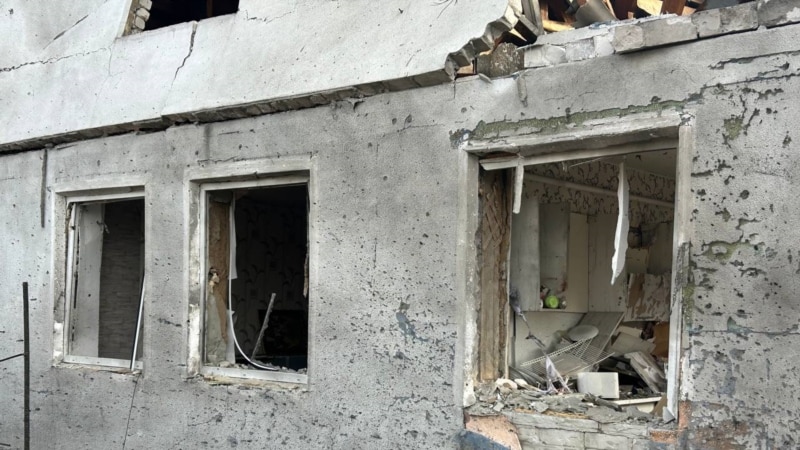
One person has died and six others sustained injuries following Russian attacks in two districts of Dnipropetrovsk Oblast, according to regional military administration chief Oleksandr Hanzha on March 13.
An 89-year-old man was killed in the Mezhivska community in the Synelnykove district, while four others were injured in a drone strike on the Marhanets community in the Nikopol district. Among the injured are two women, aged 61 and 52, who have been hospitalized, with one in critical condition.
Russian forces have been consistently targeting Ukrainian cities and civilian infrastructure using various weapons, including drones, missiles, and multiple rocket launch systems. These attacks have raised international concerns, with Ukrainian authorities and global organizations categorizing them as war crimes due to their deliberate nature.
The ongoing strikes on essential services and healthcare facilities aim to deprive civilians of electricity, heating, water supply, communication, and medical assistance, actions that some legal experts and human rights advocates classify as genocidal.
During the ongoing conflict, Russia has been accused of committing a range of crimes against Ukrainian citizens that could fall under the definition of genocide. These include public declarations of intent to eliminate Ukrainians, targeted attacks on vital infrastructure, and the persecution of pro-Ukrainian individuals in occupied territories.
Additionally, there are reports of the systematic extermination of intellectuals, such as teachers and artists, who promote Ukrainian culture. The educational system in occupied areas has been altered to reshape children’s identities, and there are allegations of the forced deportation of children to Russia to alter their cultural identity.
The 1948 UN Convention on the Prevention and Punishment of the Crime of Genocide mandates that signatory nations, of which there are currently 149, must prevent and punish acts of genocide during both wartime and peacetime.
This convention defines genocide as actions intended to destroy, in whole or in part, a national, ethnic, racial, or religious group. Key indicators of genocide include the killing of group members, causing serious bodily harm, deliberately creating conditions aimed at destroying a group, preventing births, and forcibly transferring children from one group to another.
The Russian leadership has denied allegations that its military is deliberately targeting civilian infrastructure, claiming that these actions are not aimed at harming the civilian population or destroying hospitals, schools, and utilities.
Recent Russian strikes in Dnipropetrovsk Oblast have resulted in one death and multiple injuries, intensifying concerns over targeted attacks on civilian infrastructure in Ukraine. Authorities classify these actions as war crimes, with implications of genocide due to the systematic targeting of essential services and individuals.