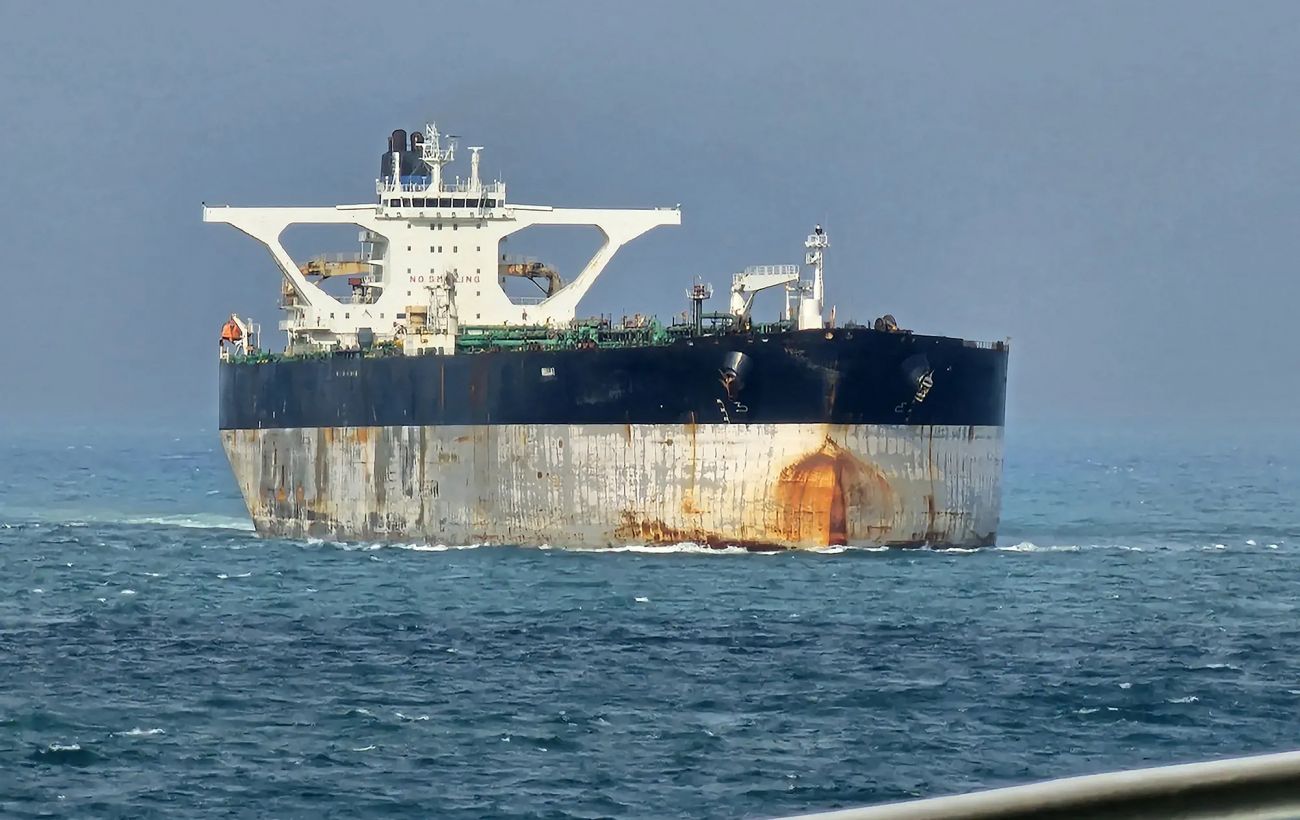
The U.S. government’s initiative to seize oil tankers carrying sanctioned crude has turned into a significant financial liability, with costs already reaching tens of millions of dollars.
The Trump administration’s campaign to capture vessels transporting oil from Iran, Venezuela, and Russia has encountered unexpected hurdles. A recent ruling from a Washington district court revealed that maintaining these seized assets is exceedingly costly.
Instead of generating revenue, these operations require ongoing financial support from the government, raising doubts about the promised “quick profits” touted by Trump.
A prime example is the tanker Skipper (No. 9304667), seized in December 2025 while transporting Venezuelan oil to Asia. To date:
- The U.S. has spent $47 million on repairs and maintenance for the vessel, which has a market value of only $10 million;
- Storage of the oil onboard costs an additional $450,000 per month;
- The government is expected to incur another $5 million in insurance and crew payments soon.
Officials at the U.S. Department of Justice acknowledge that the costs associated with managing these assets “far exceed standard levels.” Currently, ten such tankers are under U.S. control.
The primary challenge lies in the legal constraints preventing the government from selling the confiscated oil—valued between $120 million and $135 million for the Skipper—without a final court ruling.
Despite the financial setbacks, the White House plans to expand its campaign, particularly targeting tankers carrying Iranian oil. Administration officials argue that these actions are justified as they hold countries accountable for circumventing sanctions and destabilizing the economies of adversaries.
Prosecutors have already petitioned the court for permission to expedite the sale of the seized cargo to halt further losses. Should the court approve the sale, a portion of the proceeds is intended to be allocated to a fund for victims of terrorism.
The U.S. initiative to seize oil tankers is proving financially burdensome, with maintenance costs far exceeding expectations. Legal constraints complicate the potential sale of confiscated oil, prompting the administration to seek court approval for expedited sales to mitigate losses.