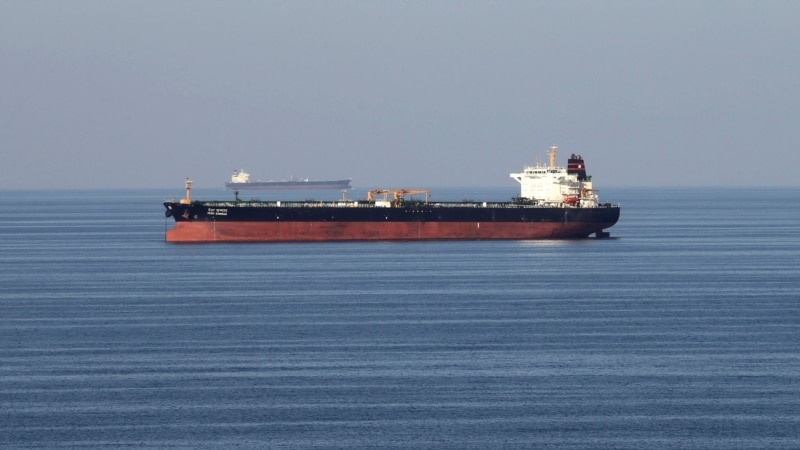
The ongoing threats from Iran to vessels transiting the Strait of Hormuz have led to significant fluctuations in global oil prices, according to a recent report from the Institute for the Study of War (ISW). As of March 2, futures for Brent crude oil peaked at $82.37 per barrel, a notable increase from $73 just days earlier, right before U.S. and Israeli strikes on Iranian targets.
Market analysts warn that if these price increases persist, they could reverse the decline in Russian oil revenues experienced over the past year. The ISW report indicates that tensions in the region have resulted in a 33% reduction in shipping traffic in the Persian Gulf as of March 1, following reports of Iranian attacks on oil tankers linked to the U.S. and U.K.
In the coming days, oil prices are expected to continue rising due to the situation in the Middle East, with projections suggesting prices could soar to between $90 and $100 per barrel. This surge comes at a time when Russia, heavily reliant on oil and gas revenues to finance its military operations in Ukraine, has seen a steady decline in energy income throughout 2025.
As revenues dwindle, Russian authorities have sought alternative revenue streams, including the sale of gold reserves and an increase in the value-added tax (VAT). A statement from the Russian publication Kommersant on March 1 noted that Russia may increase its oil production by 3% to 10.9 million barrels per day in 2026, following the easing of OPEC+ restrictions, after production fell to 9.1 million barrels per day in 2025.
Analysts attribute some of the production cuts to Ukrainian strikes on Russian oil infrastructure. The ISW report concludes that while sustained high oil prices could provide short-term economic relief for Russia, it is unlikely that Iran can effectively impose a long-term blockade of the Strait of Hormuz that would allow Russia to benefit from the current price surge.
On March 1, eight OPEC member states agreed to increase oil production in April due to supply disruptions linked to the ongoing conflict in Iran. Following the trading session on February 27, just hours before the U.S. and Israeli operations against Iran, Brent crude prices reached a seven-month high of $73 per barrel. Analysts now predict that if the Strait of Hormuz remains blocked, prices could escalate to $100 per barrel.
The Institute for the Study of War reports that threats from Iran have caused significant spikes in oil prices, with projections suggesting prices could reach $100 per barrel. This situation poses challenges for Russia's oil revenue amid its ongoing conflict in Ukraine.