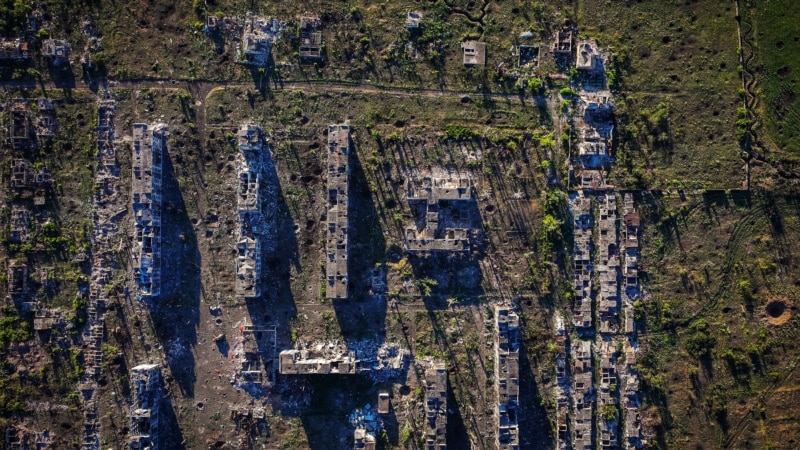
As of December 31, 2025, the total cost for reconstruction and recovery in Ukraine is projected to reach $588 billion over the next decade. This figure nearly triples the anticipated nominal GDP of Ukraine for that year, according to the updated “Damage Assessment and Recovery Needs (RDNA5)” report released by the Ukrainian government, the World Bank Group, the European Commission, and the United Nations.
Ukrainian Prime Minister Yulia Svyrydenko emphasized the importance of international support from the World Bank, the EU, and the UN in addressing urgent repairs to critical infrastructure. She stated that this assistance is vital for the country to continue functioning and to implement systematic recovery efforts focused on energy projects and housing for the population.
The RDNA5 report covers the damage incurred over nearly four years, from February 24, 2022, to December 31, 2025. It indicates that direct damages in Ukraine have now reached over $195 billion, an increase from $176 billion reported in the previous RDNA4 assessment and $152 billion in RDNA3. The assessment highlights that the most affected sectors include housing, transportation, and energy, with damages concentrated in frontline regions and major urban areas.
In the energy sector, which has faced intensified attacks, there has been approximately a 21% increase in damaged or destroyed assets since the RDNA4 report. This includes critical infrastructure for electricity generation, transmission, and distribution, as well as centralized heating systems.
The transportation sector has seen a 24% rise in recovery needs since the last assessment, largely due to increased assaults on railways and ports throughout 2025. By the end of 2025, 14% of housing has been reported as damaged or destroyed, affecting over three million households.
Russian military forces have regularly targeted Ukrainian cities and civilian infrastructure using various types of weaponry, including drones and missiles. Ukrainian authorities and international organizations classify these attacks as war crimes, asserting that they are deliberate in nature.
Attacks on essential services and healthcare facilities aim to deprive the population of electricity, heating, water supply, communication, and medical assistance, which some legal experts and genocide researchers argue could be indicative of genocidal actions. They cite public declarations by Russian officials that undermine the existence of Ukrainians as an ethnic group and calls for their destruction.
The 1948 United Nations Convention on the Prevention and Punishment of the Crime of Genocide obligates signatory countries to prevent and punish acts of genocide during both wartime and peacetime. The Convention defines genocide as actions aimed at the complete or partial destruction of a national, ethnic, racial, or religious group.
Signs of genocide include the killing of group members, causing serious bodily or mental harm, deliberately inflicting conditions intended to destroy the group, preventing births, and forcibly transferring children from one group to another. Russian leadership denies that its military intentionally targets civilian infrastructure, despite evidence of widespread destruction affecting hospitals, schools, and essential services.
The cost of Ukraine's reconstruction is projected at $588 billion by 2025, significantly exceeding its GDP. The ongoing conflict has resulted in extensive damage to critical infrastructure, particularly in energy and transportation sectors, raising concerns about the humanitarian impact and potential war crimes.
Source: World Bank