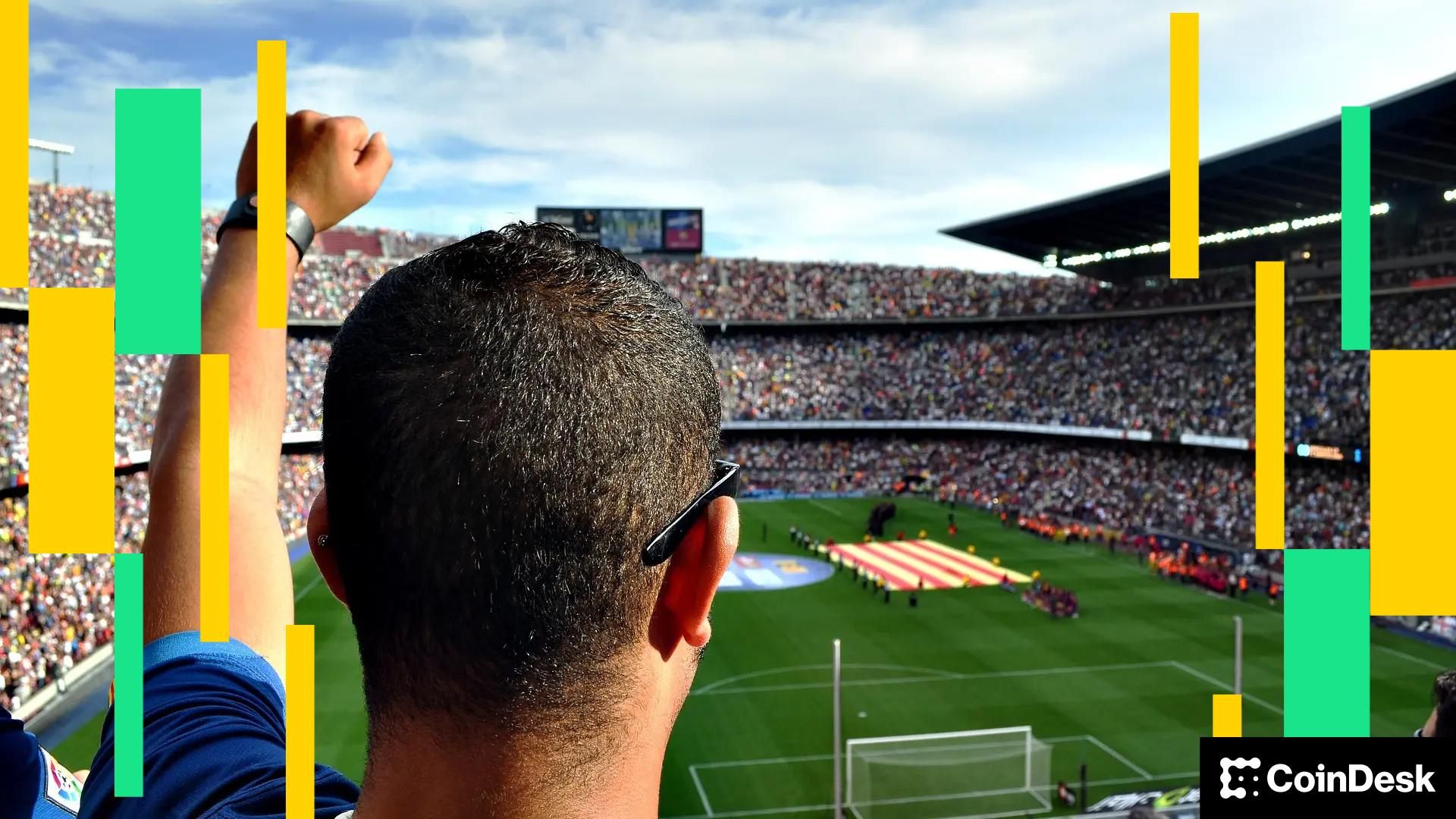
SportFi, a blockchain-based financial platform, is set to evolve its approach to fan engagement in sports by developing on-chain markets that will respond directly to match-day results. This initiative aims to integrate sports outcomes into programmable markets, allowing fans to interact with tokens in a more dynamic manner.
Traditionally, SportFi has focused on offering tokens that provide fans with voting rights and exclusive rewards. However, the latest developments suggest a shift towards a model where sports results serve as a real-time data feed for smart contracts. The concept is to create a gamified asset class where token supply is directly linked to the performance of sports teams.
One of the proposed frameworks, outlined by the blockchain firm Chiliz, introduces the idea of “gamified tokenomics.” Under this model, match results would influence the supply of tokens—reducing the number of tokens available following a win and increasing it after a loss. This mechanism would be executed transparently through smart contracts, as explained by Chiliz CEO Alexandre Dreyfus.
“Our journey is about trying to become like a sentiment marketplace above these tokens and making them available everywhere so developers can create tools where we can indeed play with these tokens as a sentiment game,” Dreyfus stated.
Dreyfus emphasized that this approach is not about gambling but rather about creating a marketplace that reflects the competitive nature of sports. The aim is to shift the focus from mere ownership of tokens to a more interactive experience that aligns with real-world sports events.
Historically, fan tokens have been tied to a sense of ownership, allowing fans to vote on aspects such as team merchandise. However, trading activity has often been driven by significant events like player transfers or tournament outcomes. The new model seeks to formalize trading behavior by integrating it into the token’s structure, making market dynamics a core part of the match-day experience.
If successful, this model could pave the way for decentralized finance (DeFi) applications centered around sports assets. This would enable fan tokens to be used as collateral, traded in liquidity pools, or even structured into financial products, aligning sports assets with broader cryptocurrency practices.
Furthermore, Dreyfus noted the potential for fan tokens to intersect with prediction markets, allowing for a more nuanced expression of sentiment regarding match outcomes. For instance, a fan might bet on a match result while simultaneously purchasing a fan token for the team involved, thereby hedging their position.
In the long term, the tokenization of sports assets could offer clubs alternative financing options. Many sports organizations possess valuable media rights and brand assets but often face cash flow challenges. By tokenizing future revenues, such as broadcasting rights, teams could access liquidity without relying solely on traditional financial institutions.
However, the future of SportFi’s initiatives is contingent on regulatory developments, particularly as tokens begin to resemble gambling products. The path forward will require careful navigation of legal frameworks to ensure compliance.
In summary, SportFi’s evolution from a basic fan engagement platform to a more sophisticated financial ecosystem reflects a growing trend in the intersection of sports and blockchain technology. The potential to convert sports outcomes into programmable financial markets could redefine how fans interact with their favorite teams.
SportFi is advancing its blockchain-based platform to create on-chain markets linked to sports match outcomes. This shift aims to enhance fan engagement by integrating real-time sports results into programmable financial products, while navigating regulatory challenges.