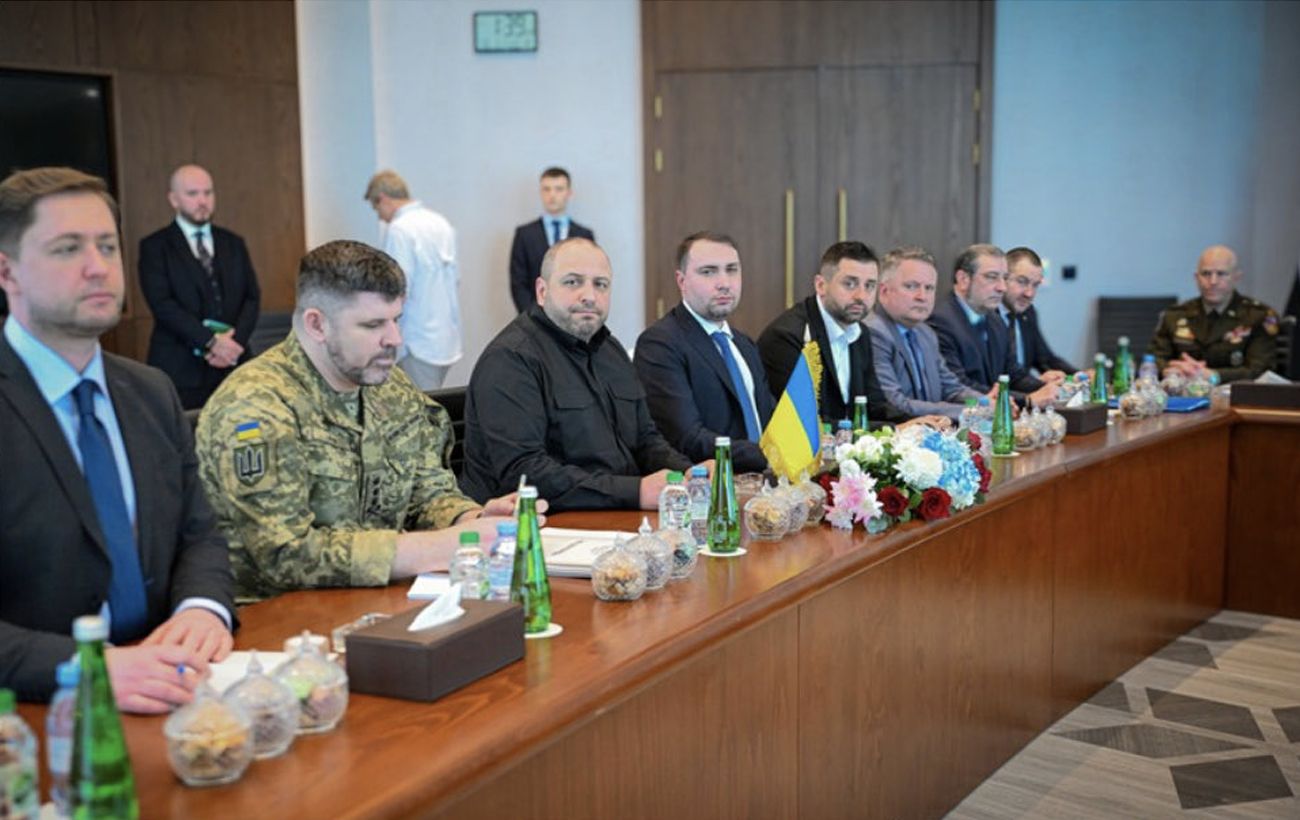
Geneva is set to host a crucial round of negotiations involving Ukraine, the United States, and Russia on February 17-18. This meeting marks the third round of discussions since the onset of the full-scale conflict initiated by Russia against Ukraine.
The agenda for the talks includes significant topics such as an energy ceasefire and territorial disputes. Ukrainian officials have indicated that these issues will be central to their discussions, with Secretary of the National Security and Defense Council, Rustem Umerov, confirming that the energy ceasefire will be on the table.
Ukraine’s delegation, appointed by President Volodymyr Zelensky, comprises key figures including Umerov, head of the President’s Office Kyrylo Budanov, Deputy Chief of the Main Intelligence Directorate Vadym Skibitsky, Deputy Head of the President’s Office Serhiy Kyslytsia, Chief of the General Staff General Andriy Hnatov, and head of the Servant of the People faction Davyd Arakhamia. Umerov emphasized that the team combines military, political, and security expertise, aiming for sustainable and lasting peace.
While the composition of the US delegation has not yet been officially announced, previous rounds in Abu Dhabi featured representatives such as Donald Trump’s envoys Steve Witkoff and Jared Kushner, as well as US Army Secretary Daniel Driscoll and General Alex Grinkevich.
In a notable change, Russia has downgraded the status of its delegation for this round of talks. The team will be led by Vladimir Medinsky, an aide to President Putin known for his historical insights and previous involvement in negotiations. This shift has raised questions about Russia’s intentions, particularly as Medinsky’s past role was marked by a refusal to agree to ceasefires and insistence on recognizing occupied territories.
President Zelensky remarked that the previous Russian delegation, led by GRU chief Igor Kostyukov, had demonstrated a more constructive approach than what is expected from Medinsky’s team. Military expert Oleksandr Musiyenko highlighted two primary reasons for the Kremlin’s decision to change its negotiation leader. First, it may be an attempt to project seriousness and interest in the talks. Second, it could serve to prolong discussions by shifting focus from military-security issues to political, social, and religious topics.
The territorial question remains unresolved, with Moscow linking it to what is referred to as the “Anchorage Formula,” which reportedly involves Russian control over all of Donbas and a freeze on the front lines in eastern and southern Ukraine. Ahead of the negotiations, Zelensky reiterated that Ukraine’s position on territorial integrity has not changed and that any compromises must be determined by the Ukrainian people, potentially through elections or referendums.
Musiyenko also noted a subtle jab from the Ukrainian side, pointing out that Budanov’s announcement of the delegation’s trip included a reference to discussing lessons from Ukrainian history, perceived as a dig at Medinsky’s historical claims.
Regarding expectations for the negotiations, Musiyenko cautioned against anticipating significant breakthroughs, given that Moscow has not altered its objectives and continues to carry out attacks on Ukraine’s energy infrastructure while maintaining pressure on the front lines. He stated, “Under these circumstances, expecting a significant breakthrough is difficult. However, Ukraine is open to negotiations if they are genuinely constructive.”
The upcoming negotiations in Geneva between Ukraine, the US, and Russia will focus on energy ceasefires and territorial disputes. Changes in the Russian delegation's leadership have raised questions about the Kremlin's intentions and the potential for constructive dialogue.