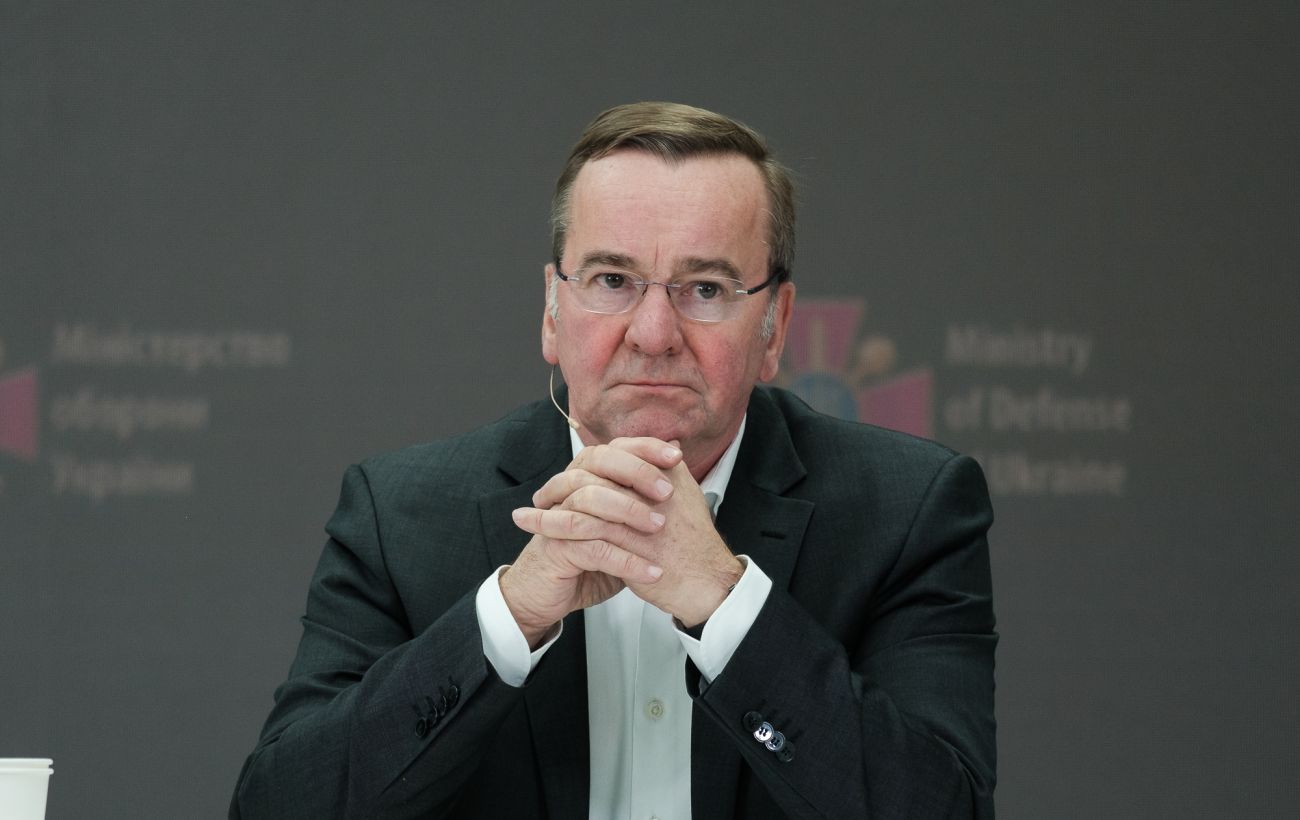
Ukrainian officials are calling for robust security guarantees from international partners to ensure lasting peace and protection against potential future aggression from Russia. The emphasis is on avoiding a repeat of the Budapest Memorandum, which failed to provide adequate security assurances.
German Defense Minister Boris Pistorius stressed the need for meaningful commitments, stating, “We must protect Ukraine from any potential future aggression from Russia. For this significant task, Ukraine requires substantial and reliable security guarantees.” He referenced U.S. Senator Marco Rubio’s earlier remarks, highlighting the shortcomings of the 1994 Budapest Memorandum in safeguarding Ukraine.
Pistorius warned against allowing another ineffective agreement, saying, “The lesson for us should be that we cannot allow another ‘paper tiger’ like the Budapest Memorandum. To provide reliable security guarantees, we all—Europe and the U.S.—must contribute. Europe and Germany are prepared to do their part.”
Ukrainian President Volodymyr Zelensky echoed these sentiments during a speech in Munich on February 14, asserting that without clear international security guarantees, any agreements to end the war could be merely temporary. He described Russian President Vladimir Putin as a “war slave” who will seek new justifications for further conflict.
Zelensky called for a comprehensive system of guarantees that would include EU membership and a long-term mechanism to deter Russia. Reports indicate that Ukraine, along with the U.S. and European allies, has preliminarily agreed on a three-phase action plan in the event of any violations of a potential peace agreement by Russia.
Ukrainian leaders are advocating for strong security guarantees from international partners to prevent future Russian aggression. The focus is on establishing a reliable framework that surpasses previous agreements, ensuring lasting peace and stability in the region.