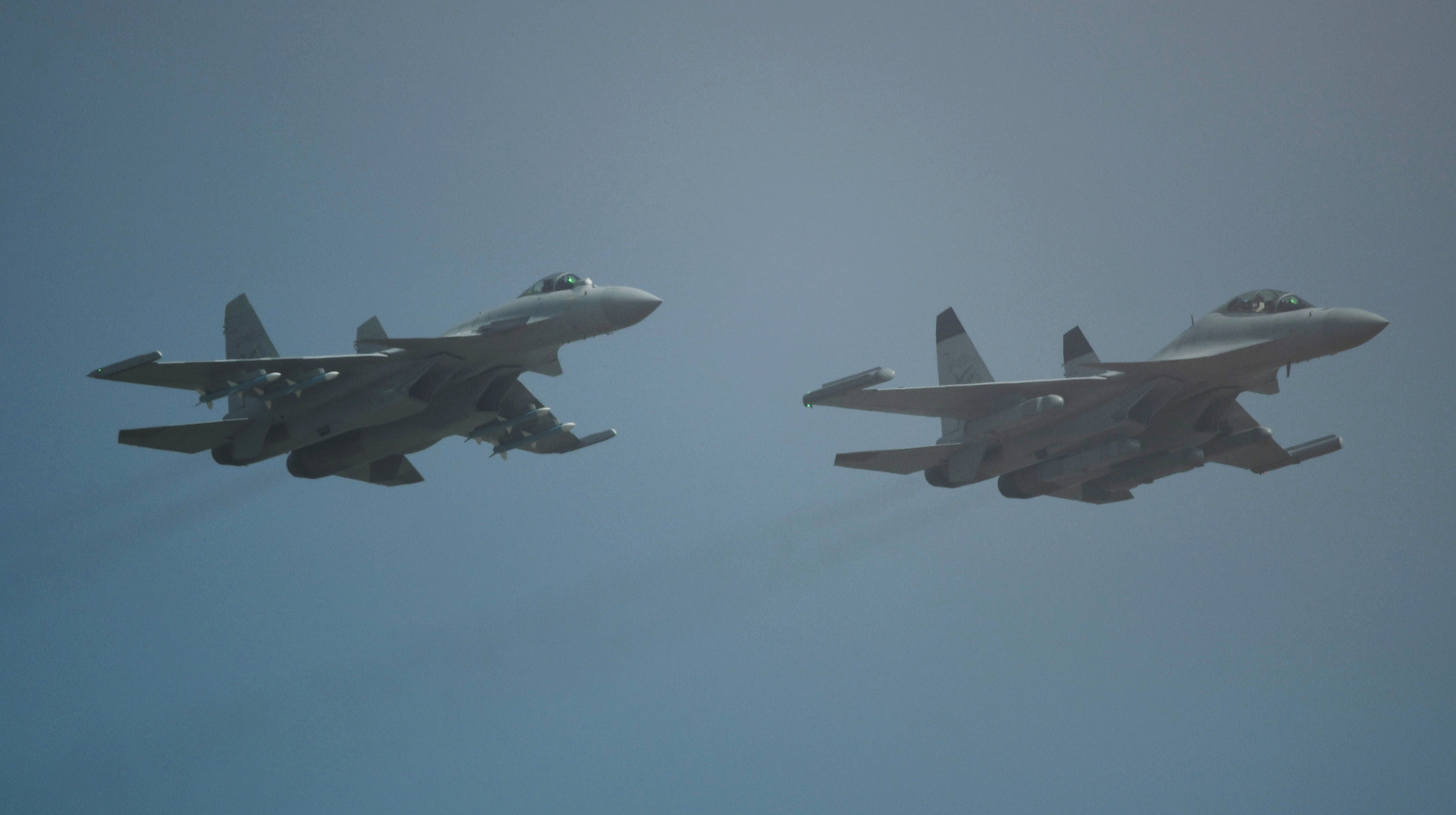
“Japan’s defense ministry said Chinese warplanes twice directed fire control radars at Japanese aircraft near Okinawa Prefecture. Tokyo regarded these actions as threatening and sent a note of protest to Beijing.”, — write: www.pravda.com.ua
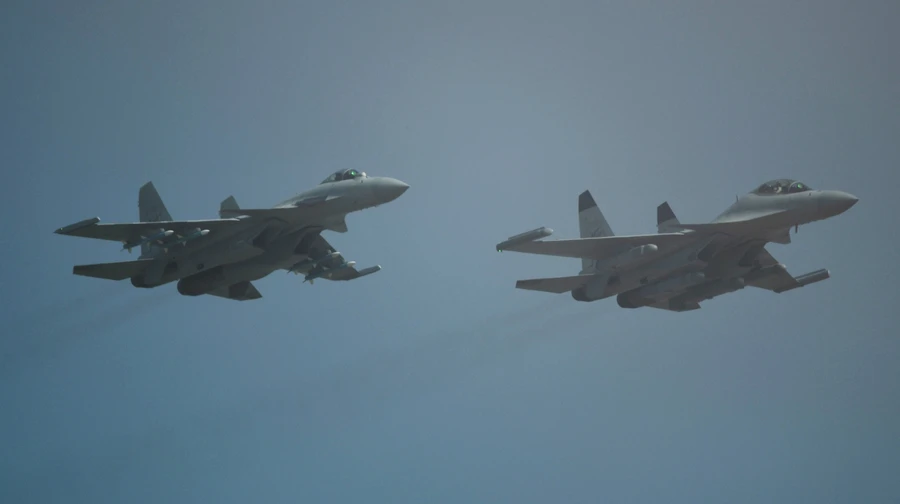 Shenyang J-15. Photo: Getty Images
 Source: Reuters
Details: On Sunday, Japanese Defense Minister Shinjiro Koizumi said that the incidents involved Chinese J-15 carrier-based fighter jets that took off from the Chinese aircraft carrier Liaoning, which was maneuvering south of the Okinawa Islands, accompanied by three guided-missile destroyers.
Advertising:
Literally: Capturing a target by the radar of the fire control system (target illumination – ed.) is considered one of the most aggressive actions in military aviation. This signals preparation for a potential attack and forces the pilot of the target aircraft to perform emergency evasive maneuvers.
Details: During a meeting with Australian Defense Minister Richard Marles in Tokyo, Koizumi stressed that Japan will respond to such actions by China “resolutely and calmly” in order to maintain peace and stability in the region.
It is worth noting that Japan is a key ally of the United States and the location of the largest deployment of American troops abroad. Much of that contingent, including thousands of Marines, is based in Okinawa.
The relations between the states intensified after the statement of the Prime Minister of Japan, Sanae Takaichi. She warned that Tokyo could retaliate against any military action by China against Taiwan if it threatened Japanese national security.
Taiwan, which China considers its province, is located only 110 km from the Japanese island of Yonaguni.
Prehistory:
- A similar case with radar guidance was recorded in 2013, when a Chinese ship targeted a Japanese destroyer in the East China Sea.
- In June, Japan claimed that Chinese accusers were getting dangerously close to a Japanese patrol plane near Okinawa.
- On November 4, China deployed more than 100 naval and coast guard ships in East Asian waters. Taiwan’s government called this build-up a direct threat to stability in the Indo-Pacific region.
- Beijing continues to insist on its sovereign right and jurisdiction over the Taiwan Strait, while the US and Taiwan consider it an international waterway.